
In Christmas 2025, I found myself on the road once again. After a memorable trip to Big Bend two years earlier, I decided to push further west this time and explore New Mexico. It proved to be an excellent choice. The itinerary, combining caverns, deserts, mountains, and historic towns, offered a remarkably varied landscape and experience.
Day 1: Houston-College Station-Midland
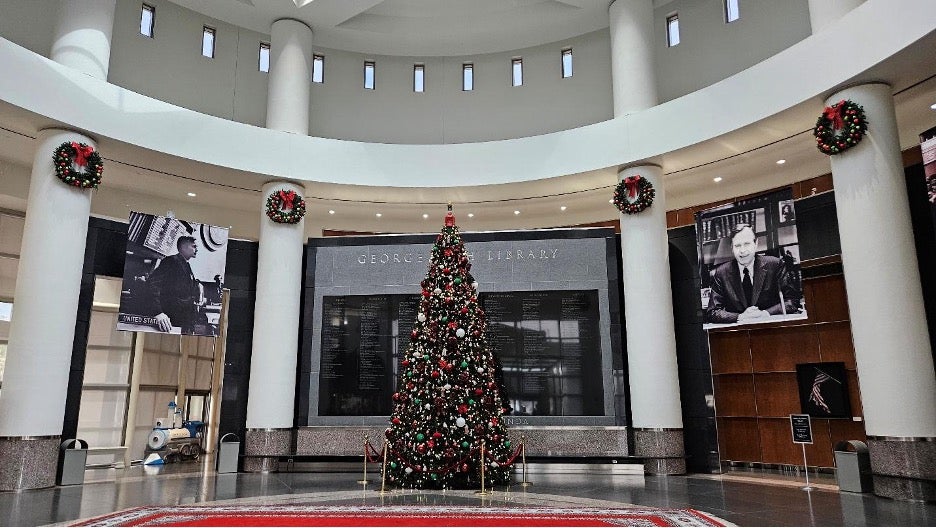
Although College Station is not directly on the way to Midland, I made a deliberate detour. As a historian, I wanted to visit the George H. W. Bush Presidential Library and Museum. Among the three presidential libraries in Texas, this one stands out for its curatorial design. The exhibits are thoughtfully arranged, integrating visual media and archival material to narrate major events such as the Gulf War and the end of the Cold War.
Afterward, I drove across central Texas and arrived in Midland late at night.
Day 2: Midland-Carlsbad-El Paso
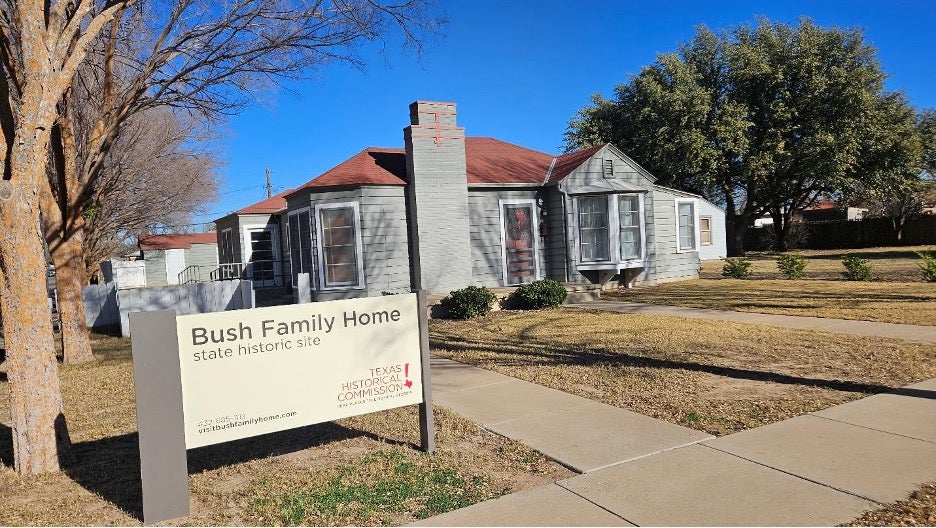
I started early and stopped by the Bush Family Home State Historic Site, where the Bush family lived from 1951 to 1955. Although it was closed, it still offered a reminder of the modest West Texas roots of a family that would later produce two U.S. presidents.
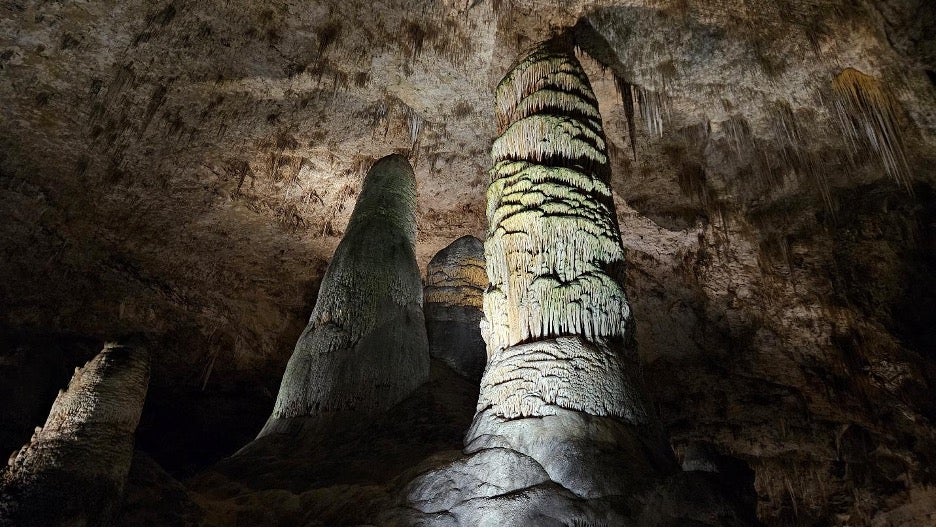
Crossing into New Mexico, I reached Carlsbad Caverns National Park. Despite being a cave system, access begins at a high elevation in the Guadalupe Mountains. I chose the elevator descent to the famous “Big Room,” the largest cave chamber in North America by volume. The scale is difficult to describe: vast chambers filled with stalactites, stalagmites, and other karst formations created over millions of years through mineral deposition. The loop trail took over an hour, much longer than I anticipated.
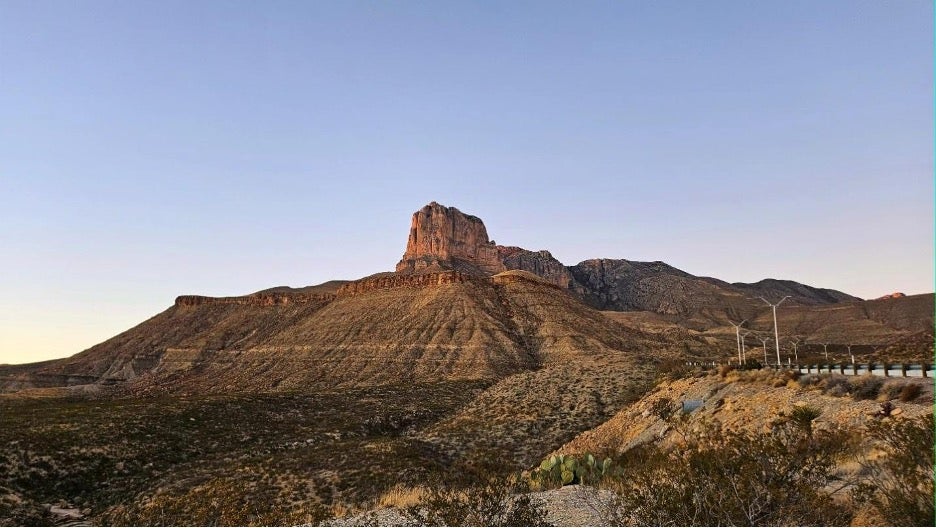
Afterward, I passed El Capitan, a dramatic limestone cliff that once served as a landmark for travelers in the region, before arriving in El Paso.
Day 3 El-Paso-White Sands National Park-Albuquerque
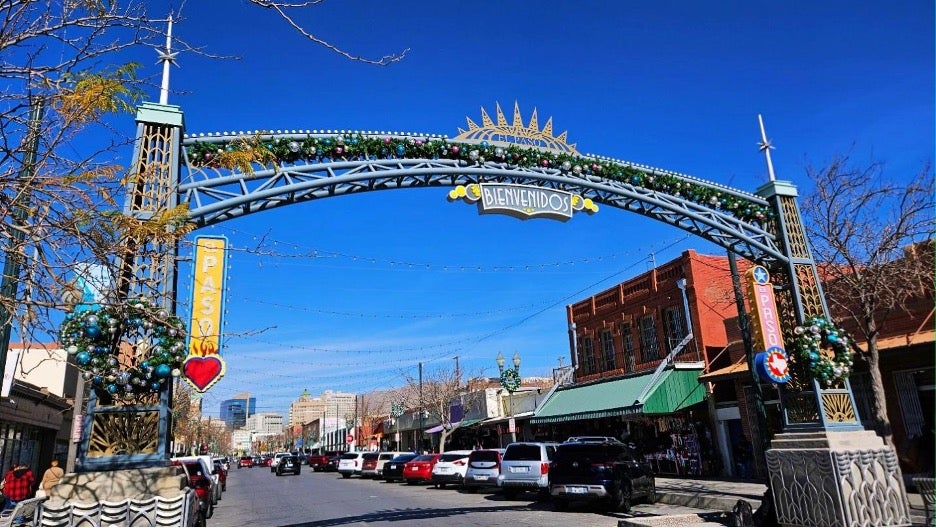
I got up early and drove to the U.S.–Mexico border, where I took a quick photo of the “Welcome to El Paso” sign.
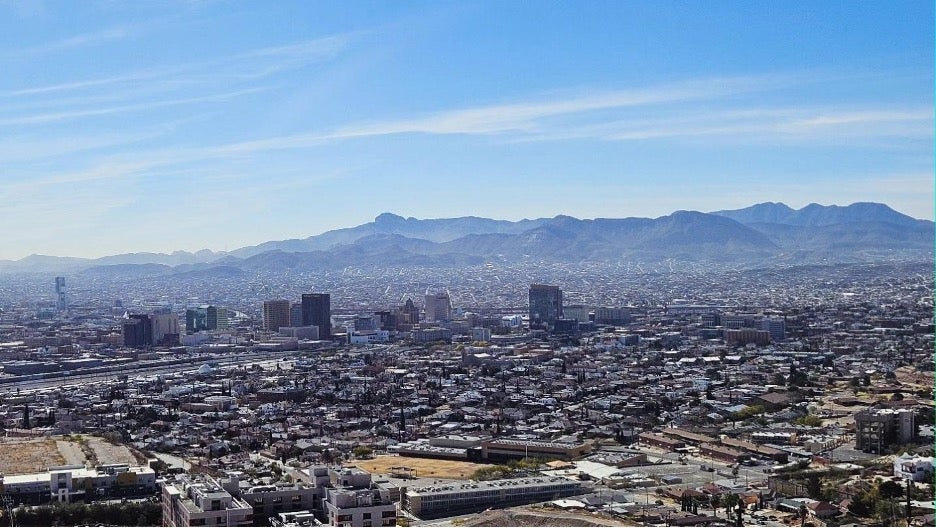
Then I drove along the Scenic Drive, which offers a striking panoramic view of El Paso and Juárez, Mexico. The juxtaposition of the two cities highlights the deep historical entanglement of the borderlands, shaped by migration, trade, and conflict.
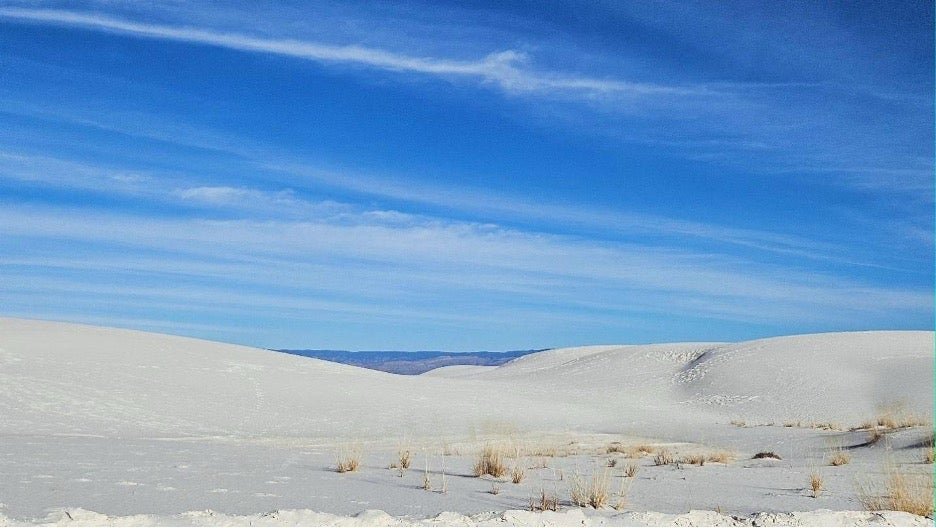
From there, I entered New Mexico and headed toward White Sands National Park. This was the highlight of the day. Endless dunes of white gypsum sand stretch across the landscape, creating an almost surreal environment. Unlike typical quartz sand, gypsum at White Sands retains some moisture and reflects sunlight efficiently, helping keep the dunes relatively cool and giving them a fine, soft texture. Walking through them, time feels suspended as the wind reshapes the terrain.
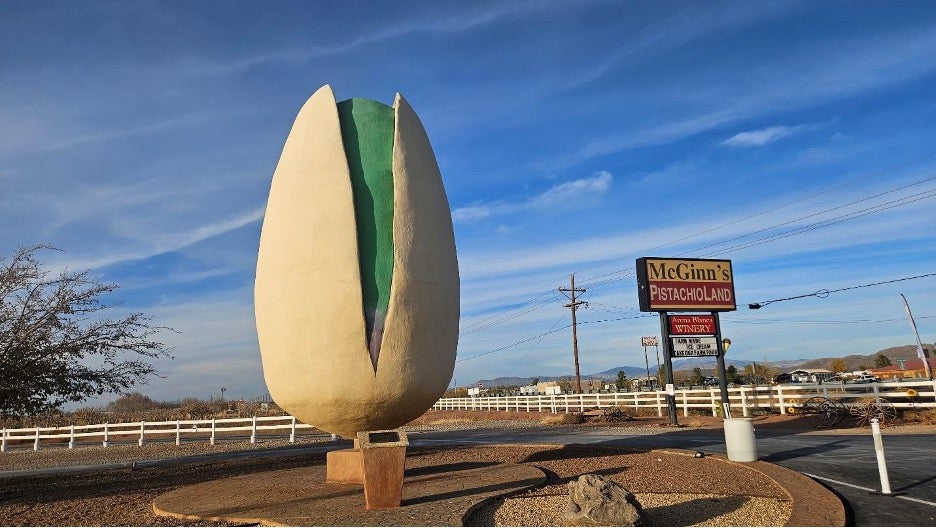
Then I visited McGinn’s PistachioLand, a quirky place with a giant pistachio statue outside. I joined a guided train tour, where I was shown around the pistachio groves and learned about the farm’s history and how pistachios are cultivated. Afterward, I tried the famous pistachio ice cream. It wasn’t what II expected, but still worth a try!
By evening, I reached Albuquerque, New Mexico’s largest city.
Day 4 Albuquerque-Santa Fe
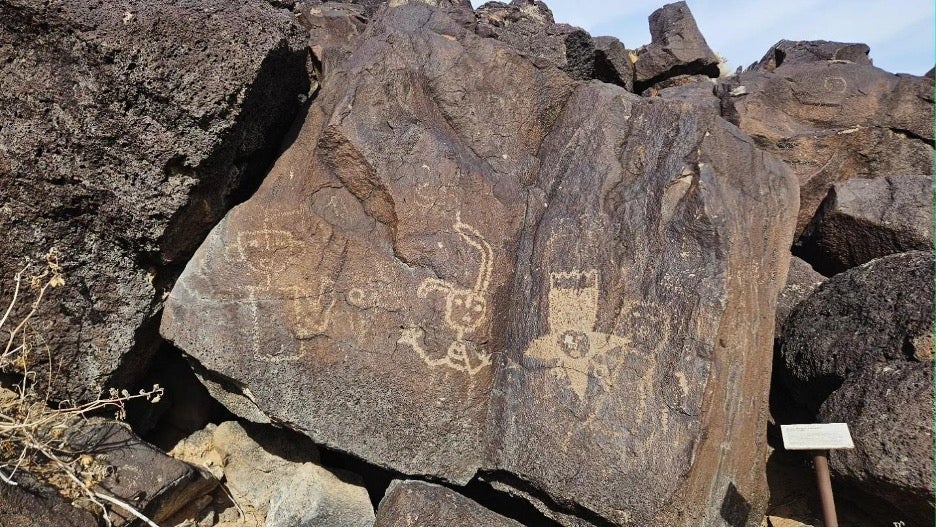
The morning began at Petroglyph National Monument, where volcanic rocks bear carvings created by Indigenous peoples. These petroglyphs, though centuries old, remain remarkably vivid and well-preserved.
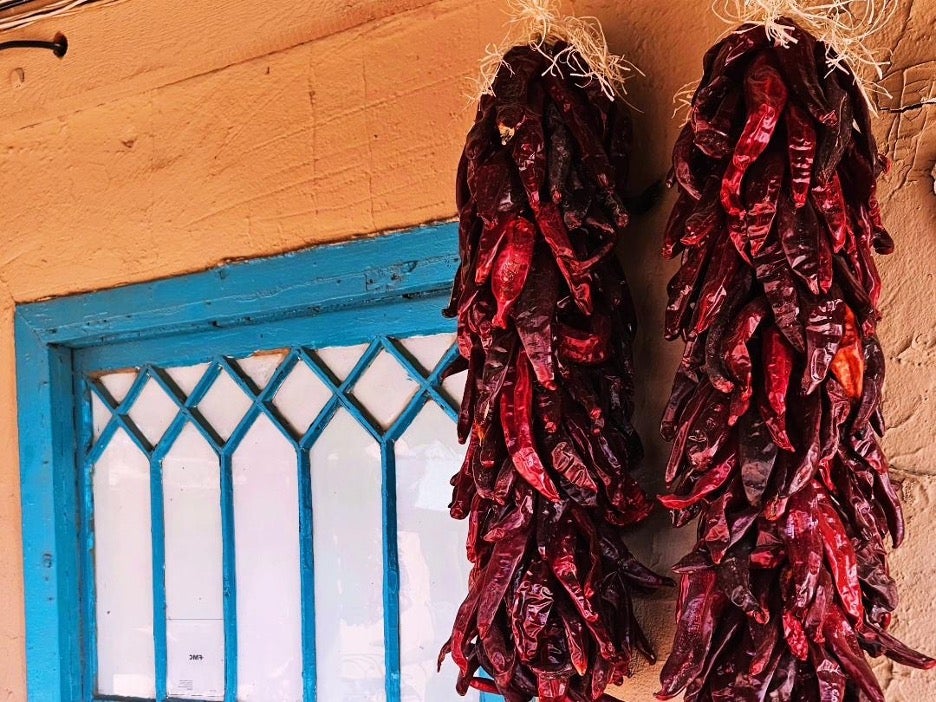
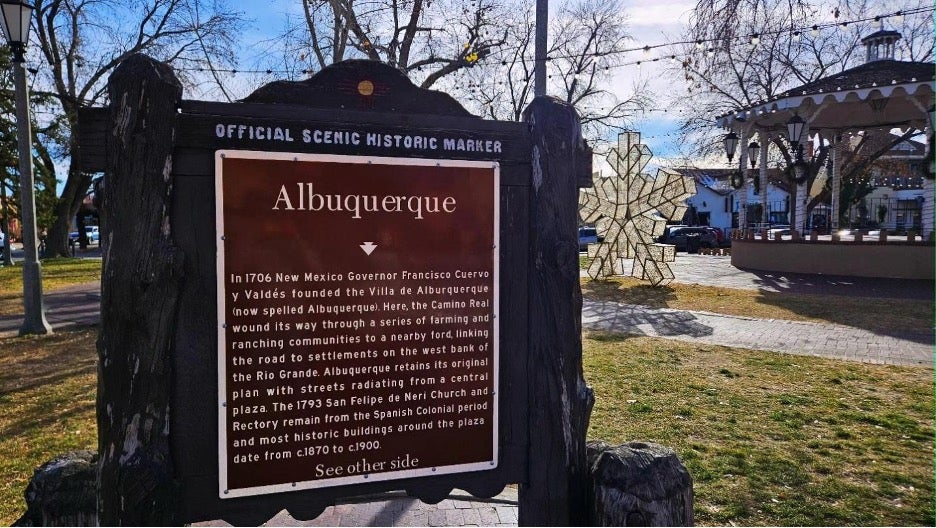
I then explored Old Town Albuquerque, characterized by adobe architecture and Spanish colonial influence. The hanging red chile ristras are especially striking. They are both decorative and practical, reflecting regional food culture.
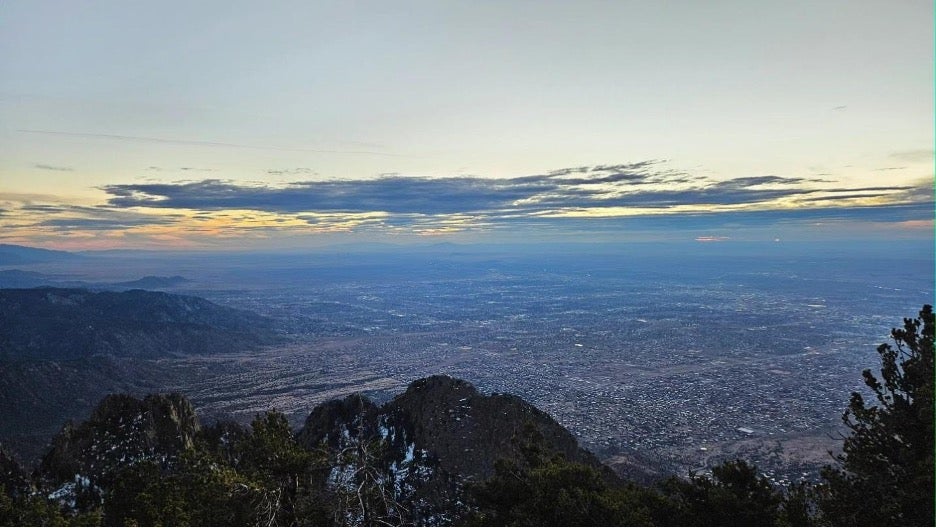
Driving up to Sandia Peak offered sweeping views of the surrounding regions.
Day 5 Santa Fe-Taos-Santa Fe
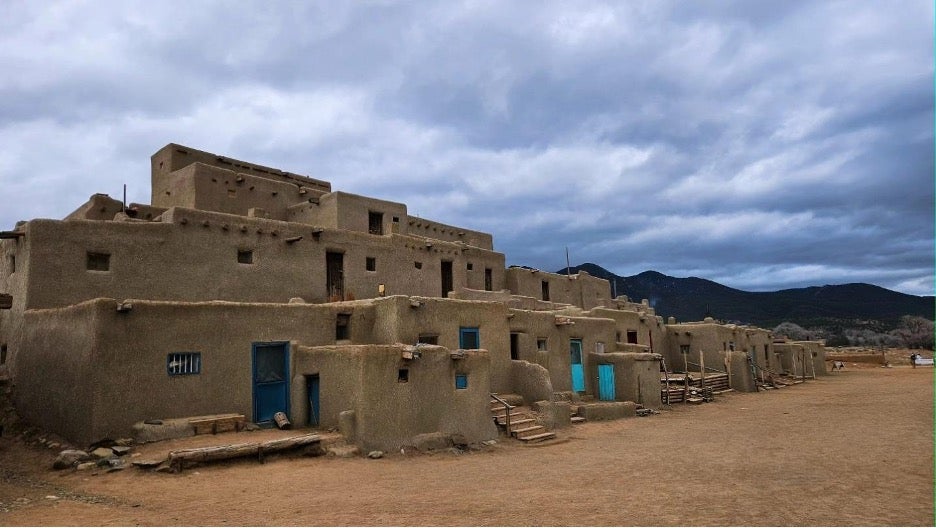
Since it was Christmas Day and most places were closed, I visited Taos Pueblo, one of the oldest continuously inhabited communities in North America. The multi-storied adobe structures date back over 1,000 years. Unlike many historic sites, Taos Pueblo is still an active community, preserving traditions that predate European colonization.
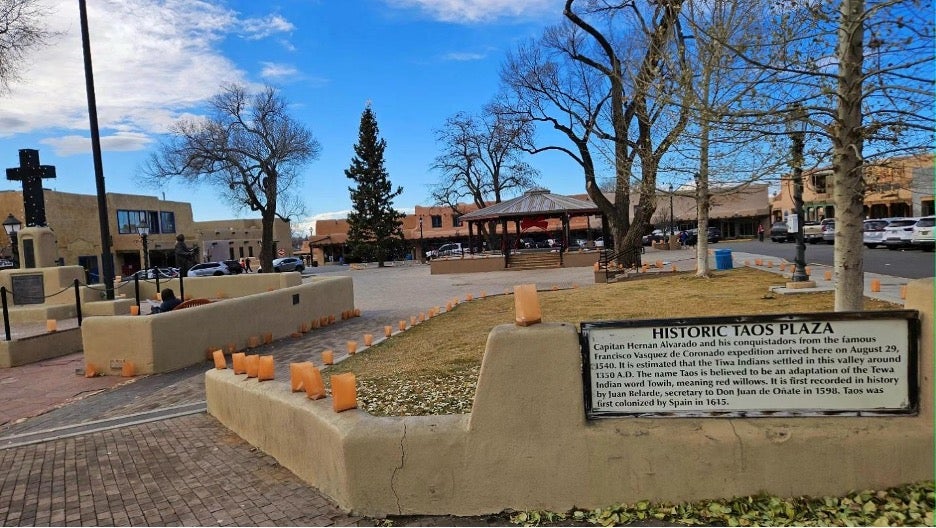
Then I headed to Taos town center. Because of Christmas, everything was closed, even the public restroom!
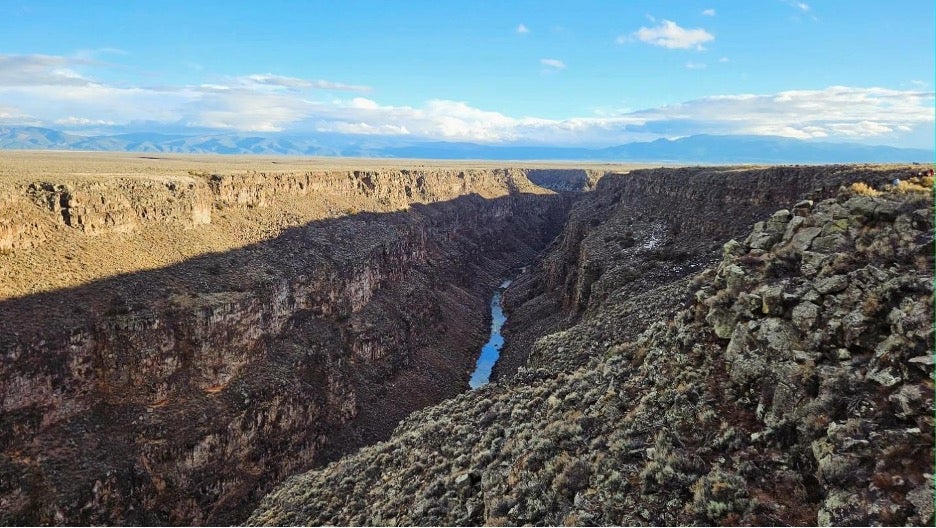
On the way back to Santa Fe, I visited the Rio Grande Gorge Bridge. As one of the highest bridges in the United States, it offers a striking view of the Rio Grande Gorge.
Day 6 Santa Fe
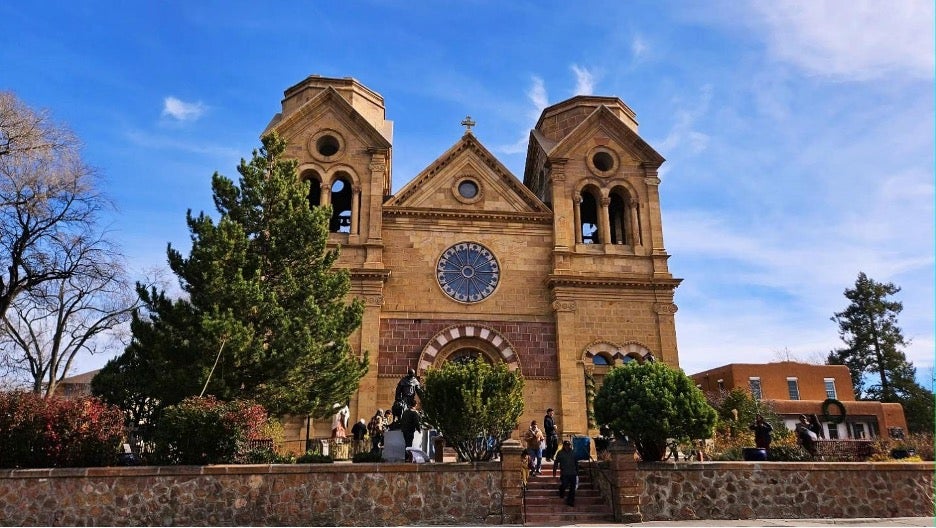
I spent the morning in Santa Fe’s historic plaza, which reflects layers of Spanish colonial, Mexican, and American territorial history. The Cathedral Basilica of St. Francis of Assisi and the surrounding square anchor the city’s architectural identity.
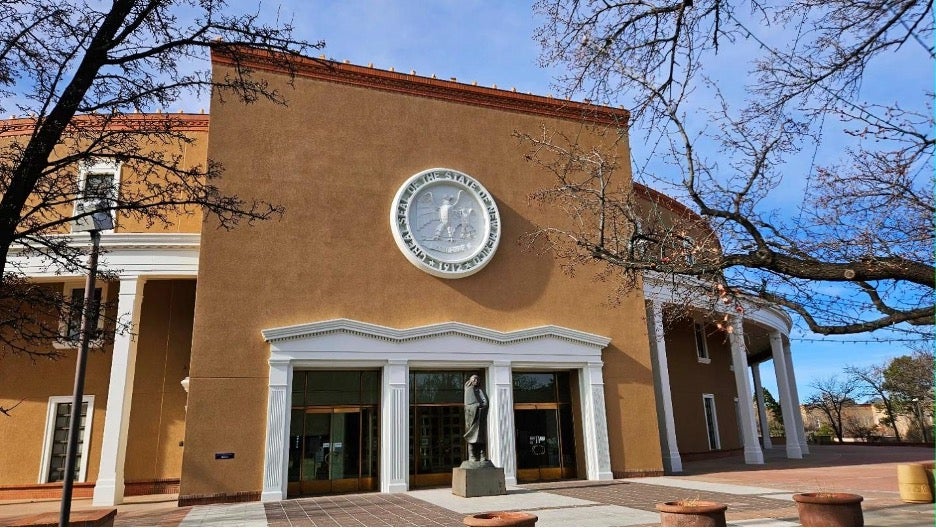
After lunch, I stopped by the New Mexico State Capitol, a routine photo stop for me whenever I visit a new state.
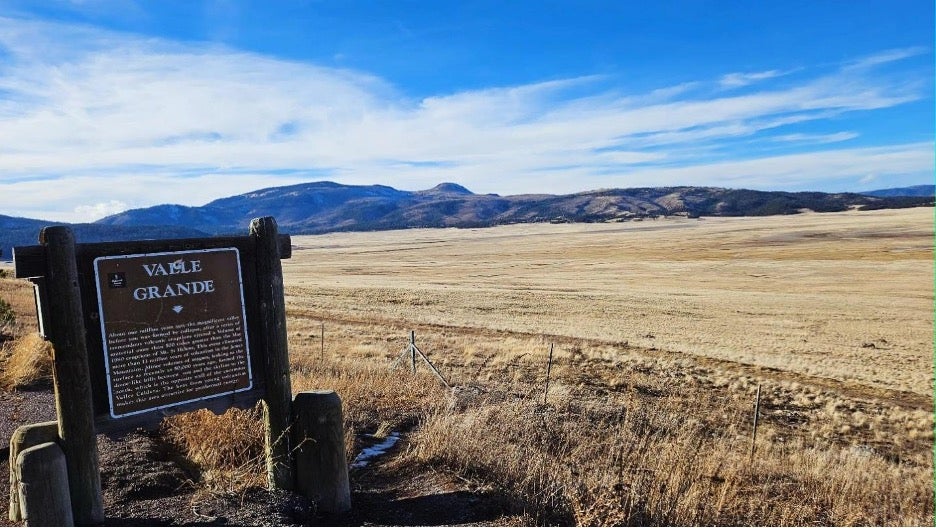
Then I headed to the Valles Caldera National Preserve, a wide meadow in a former volcano famous for wildlife observation. Unfortunately, because of the weather and season, I did not see any animals.
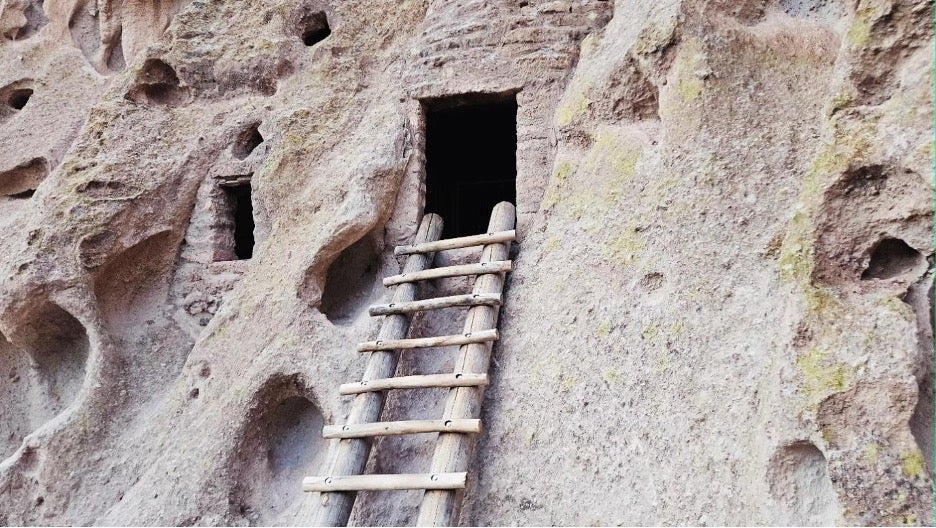
Later, I visited Bandelier National Monument. The site preserves cliff dwellings of the Ancestral Pueblo people. Climbing ladders into these structures provides a direct, physical engagement with the past—far more immersive than most historical sites.
Day 7 Santa Fe-Capulin Volcano National Monument-Amarillo
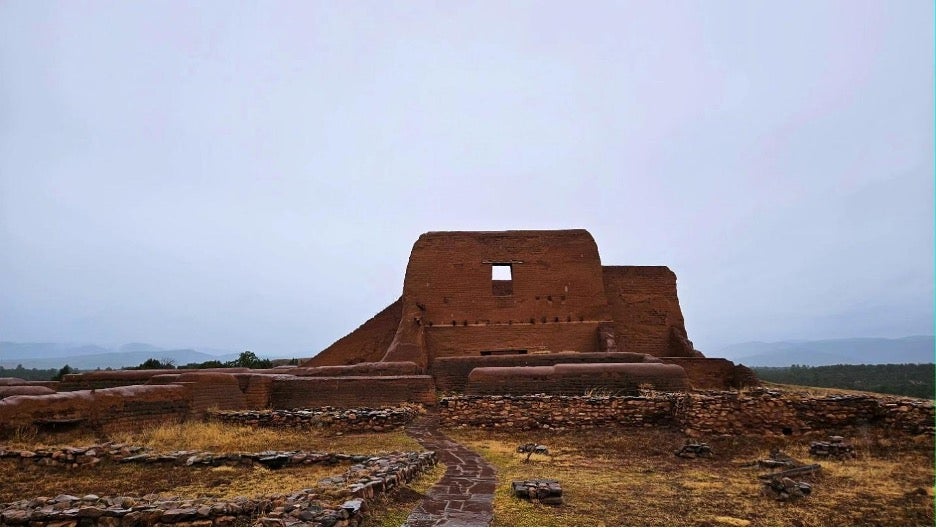
I began the day at Pecos National Historical Park, a site where multiple historical layers intersect: Indigenous habitation, Spanish missionization, and an American Civil War battlefield. The landscape embodies overlapping narratives rather than a single linear history.
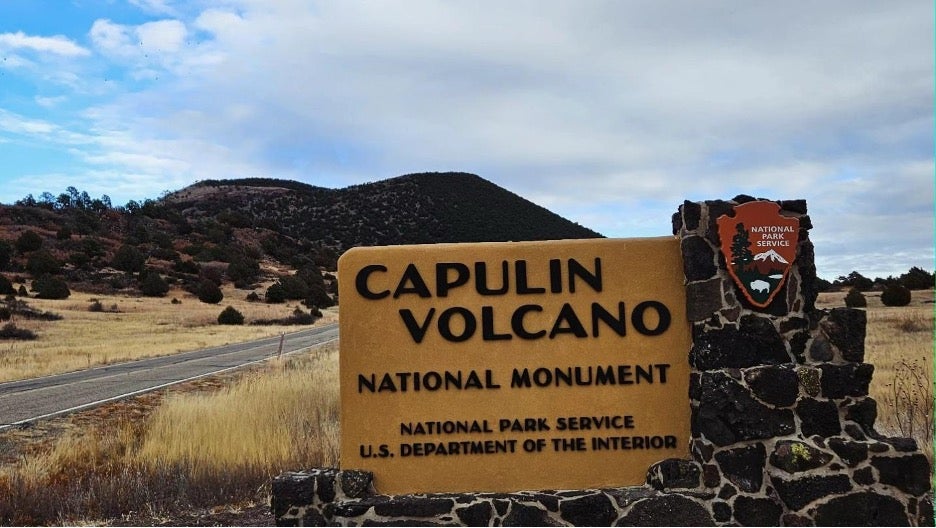
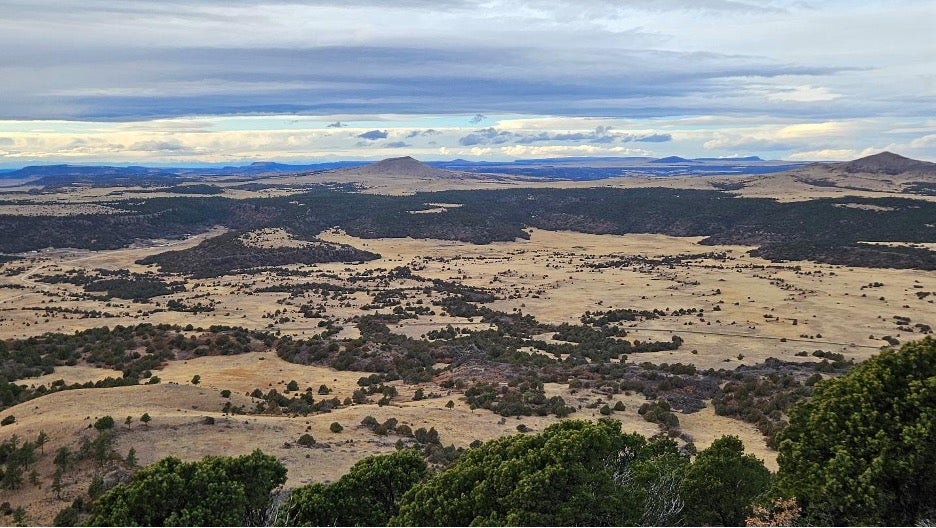
Next, I drove to Capulin Volcano National Monument. Standing atop the cinder cone, intense winds made it difficult to remain upright. The panoramic view of the crater and across the plains toward the Rocky Mountains was amazing!
I ended the day in Amarillo.
Day 8 Amarillo-Houston
I had planned to visit Palo Duro Canyon State Park, the “Grand Canyon of Texas.” However, poor weather forced me to abandon the plan and drive back to Houston.
However, this gives me another reason to venture out West again soon.
Conclusion
In the end, what stayed with me was not any single destination, but the transitions between them. The shift from desert to mountain, from modern city to ancient dwellings, creates a rhythm perceptible only on the road. Each stop added another layer of meaning, turning the journey into something more than a holiday trip. It became a way of seeing how U.S. history and landscape are continuously intertwined.