
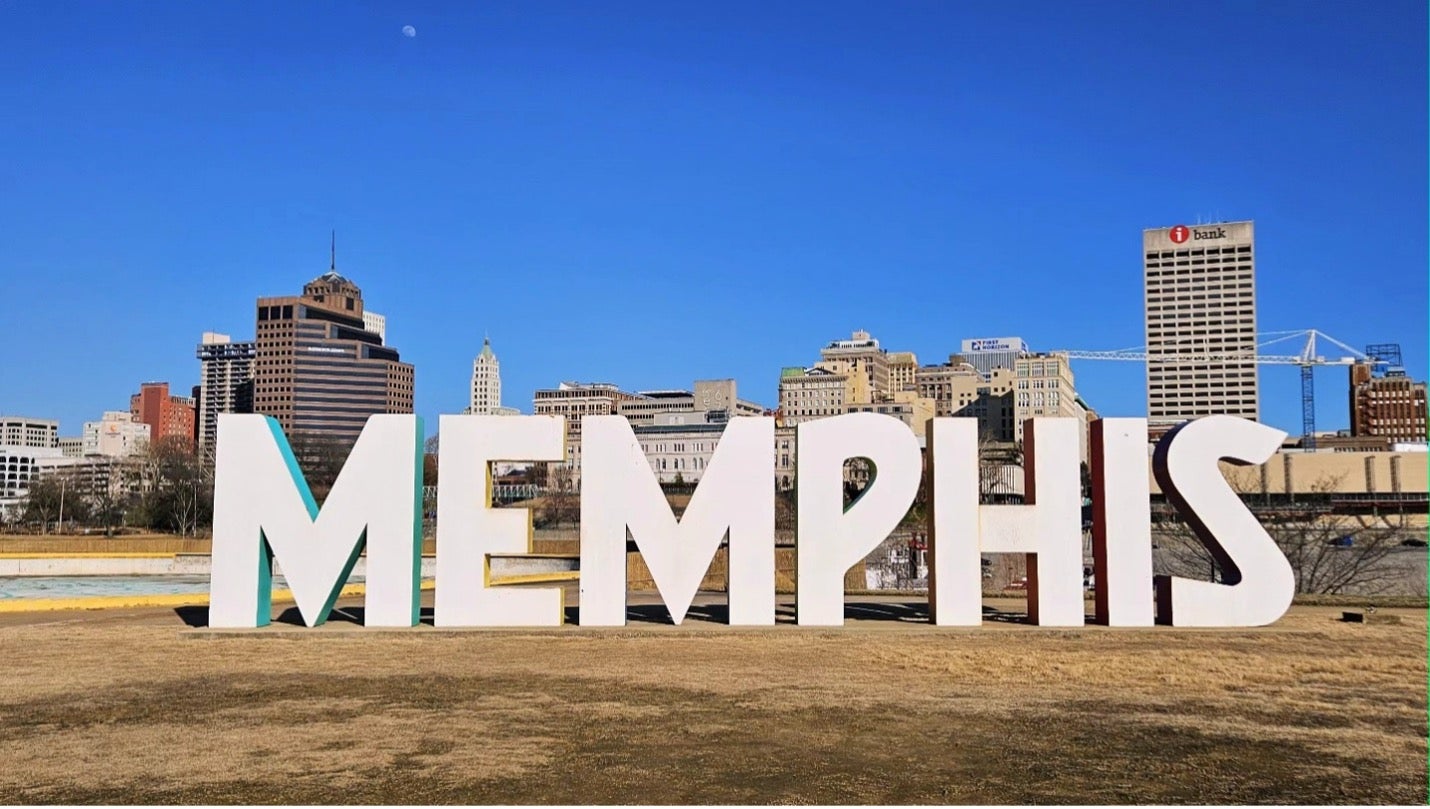
In February 2026, I attended a conference in Memphis. Instead of flying back, I chose to rent a car and embark on a two-and-a-half-day road trip across Arkansas and East Texas. What began as a logistical decision quickly became one of the most memorable parts of the trip. It allowed me to experience parts of the United States I might not otherwise have seen, and the road trip was rich in both historical depth and natural scenery.
Day 1: Memphis-Little Rock
The conference ended around noon, and within an hour, I was on the road. My first stop was the National Civil Rights Museum at the Lorraine Motel. On April 4, 1968, Martin Luther King Jr. was assassinated there. The site has been preserved much as it was in 1968. The motel facade, with its pastel doors and railings, stands almost unchanged. Standing in the courtyard, looking up at the balcony, the distance between visitor and history feels uncomfortably small.
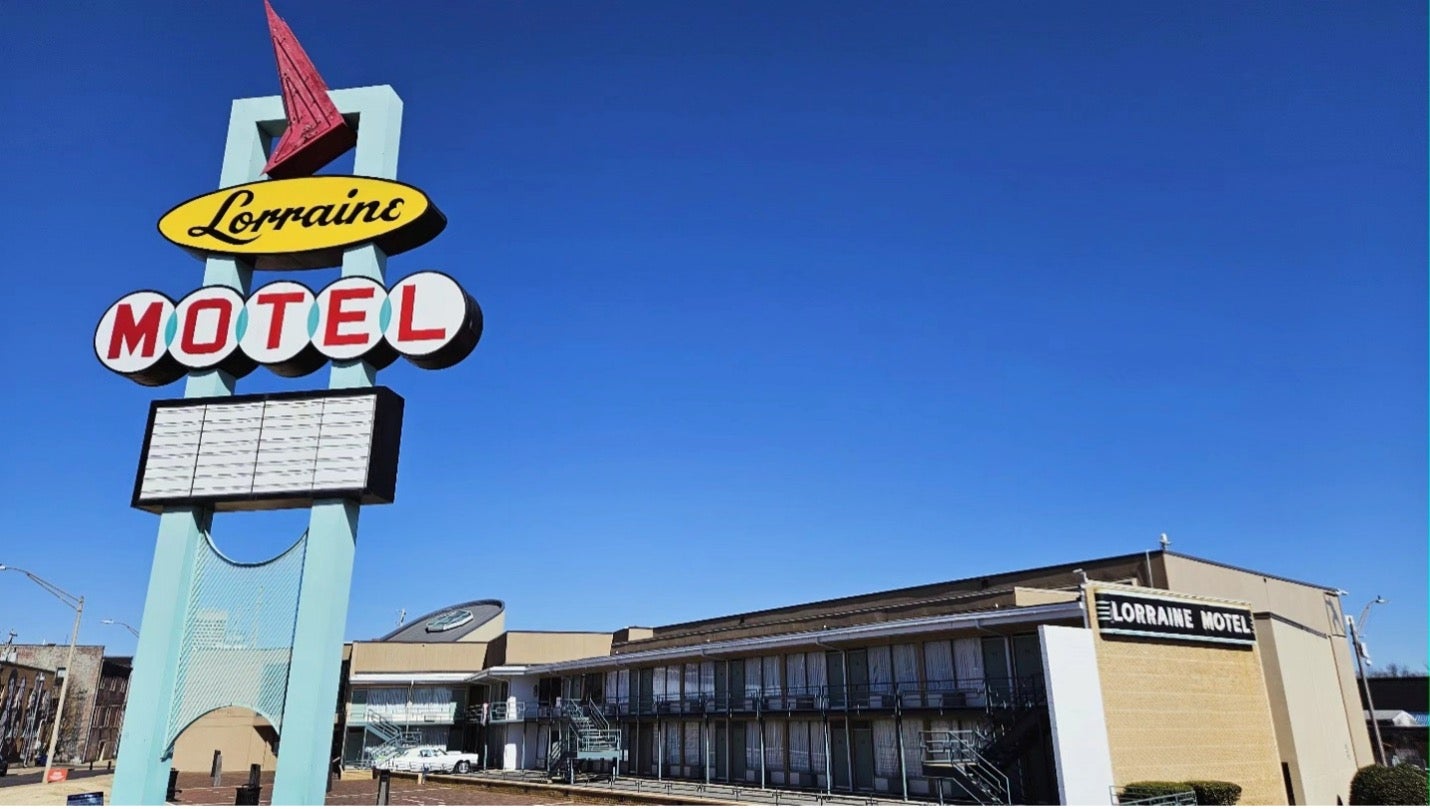
Inside, the museum unfolds chronologically, moving from slavery and Reconstruction into the 20th-century Civil Rights Movement. What stood out most was not just the scale of the struggle, but its lived reality—bus boycotts, student sit-ins, legal battles, and the everyday risks taken by ordinary people.
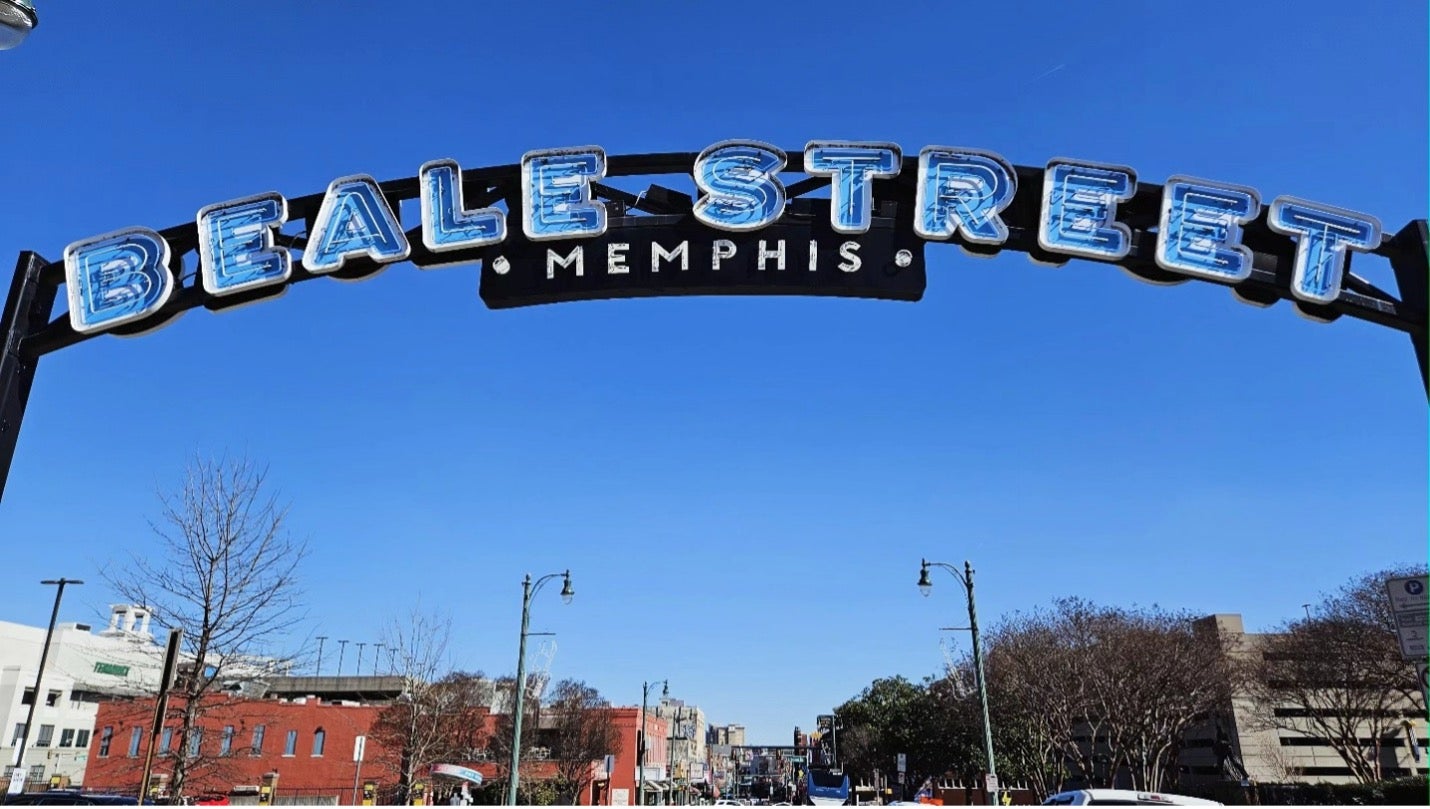
While I did not have enough time to visit Elvis Presley’s Graceland, I drove to Beale Street. Even before the nightlife begins, the street carries a distinct rhythm: neon signs, murals, and the faint sound of blues music spilling from open doorways. It’s easy to imagine how this corridor became central to American musical history.
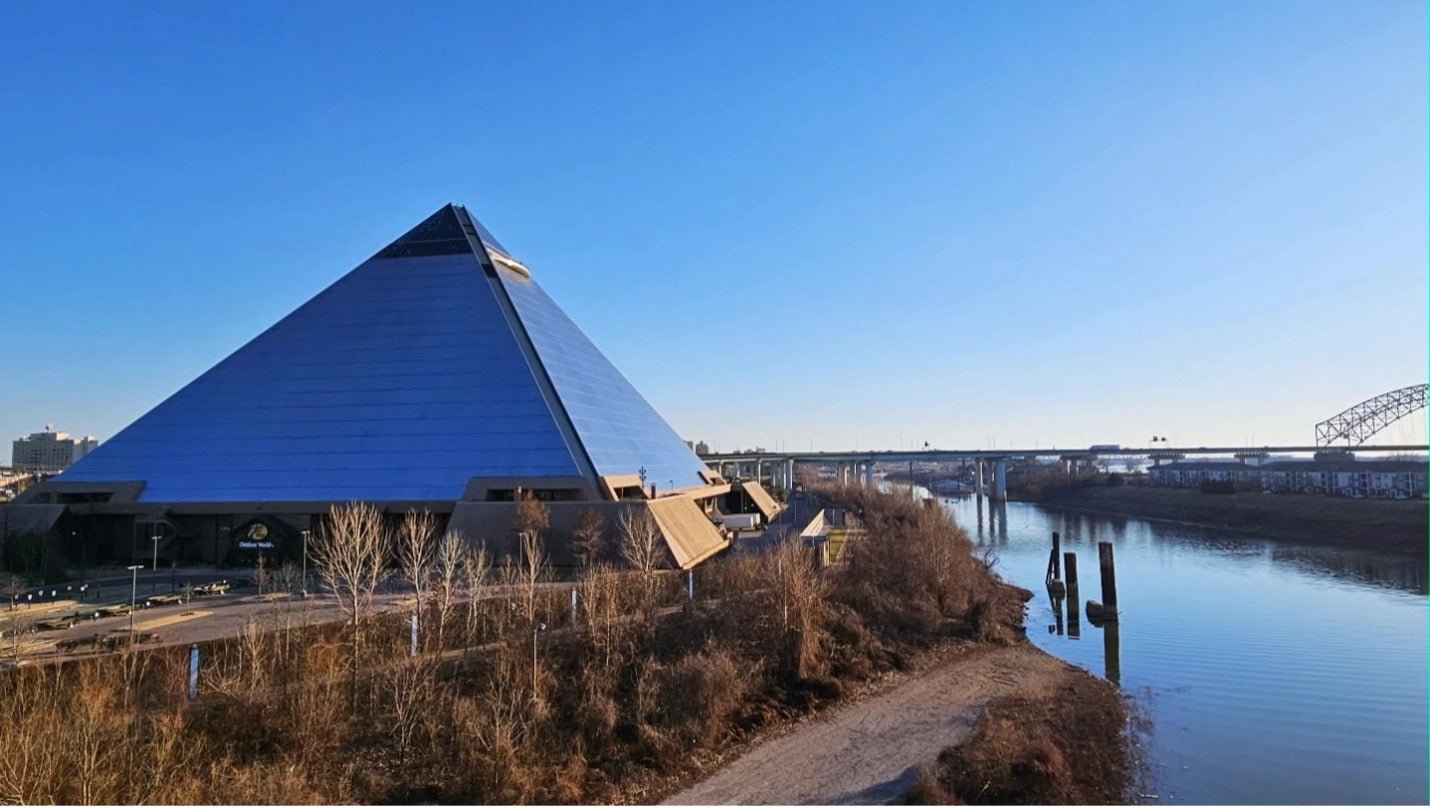
I then stopped at the Memphis Pyramid. Its sheer scale is difficult to grasp until you’re standing next to it. The structure feels slightly surreal: an Egyptian-inspired pyramid on the banks of the Mississippi, now repurposed as a Bass Pro Shops retail complex. Inside, it resembles an indoor wilderness, complete with trees, water features, and wooden walkways.
My last stop in Memphis was Mud Island River Park. The highlight is the Mississippi Riverwalk, a concrete scale model of the Mississippi River stretching hundreds of meters. Walking its length, you effectively “travel” from Minnesota to the Gulf of Mexico. At the end of the walk is a large Memphis sign, an ideal spot for photos.
By late afternoon, I began the drive to Little Rock, looking forward to exploring the state capital the next day.
Day 2: Little Rock-Hot Springs-Hope
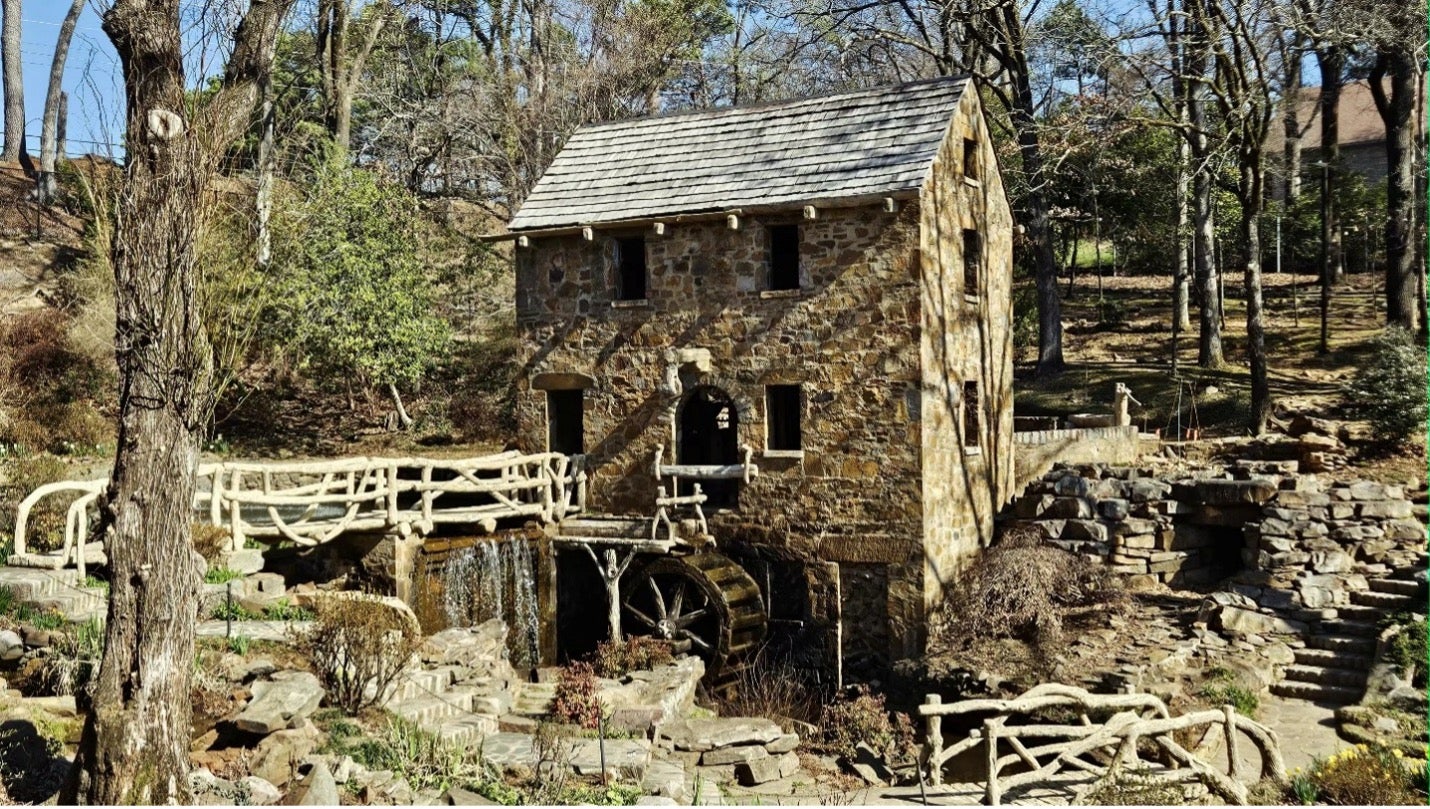
Getting up early, I first visited the Old Mill, an 1880s-style water mill featured in the film Gone with the Wind.
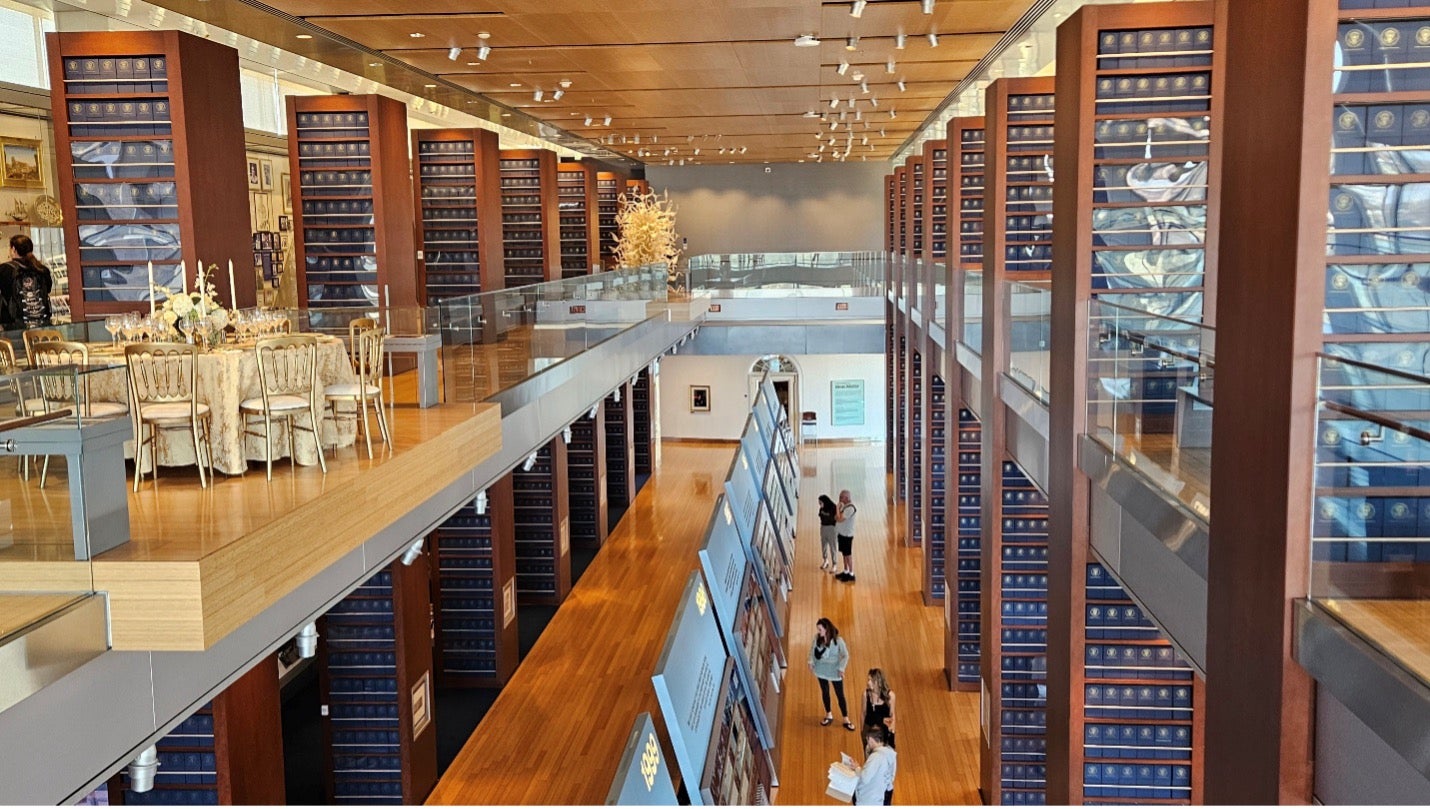
Next, I visited the Clinton Presidential Center, dedicated to Bill Clinton. The exhibits are carefully curated, presenting policy achievements, international diplomacy, domestic reforms, and personal narratives through multimedia displays. Bill Clinton emerges not just as a national figure but as a product of Arkansas politics, as his years as governor shaped both his political style and priorities.
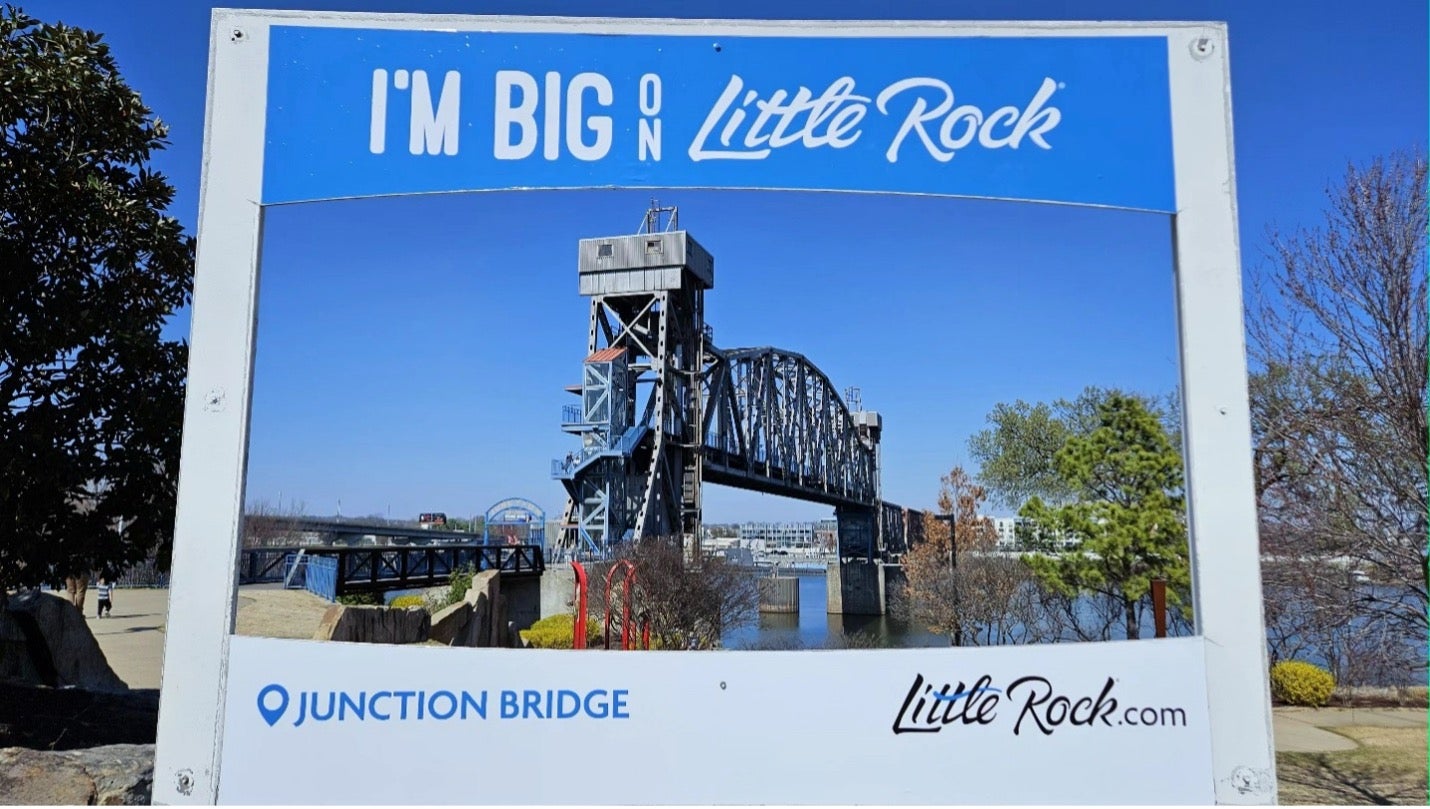
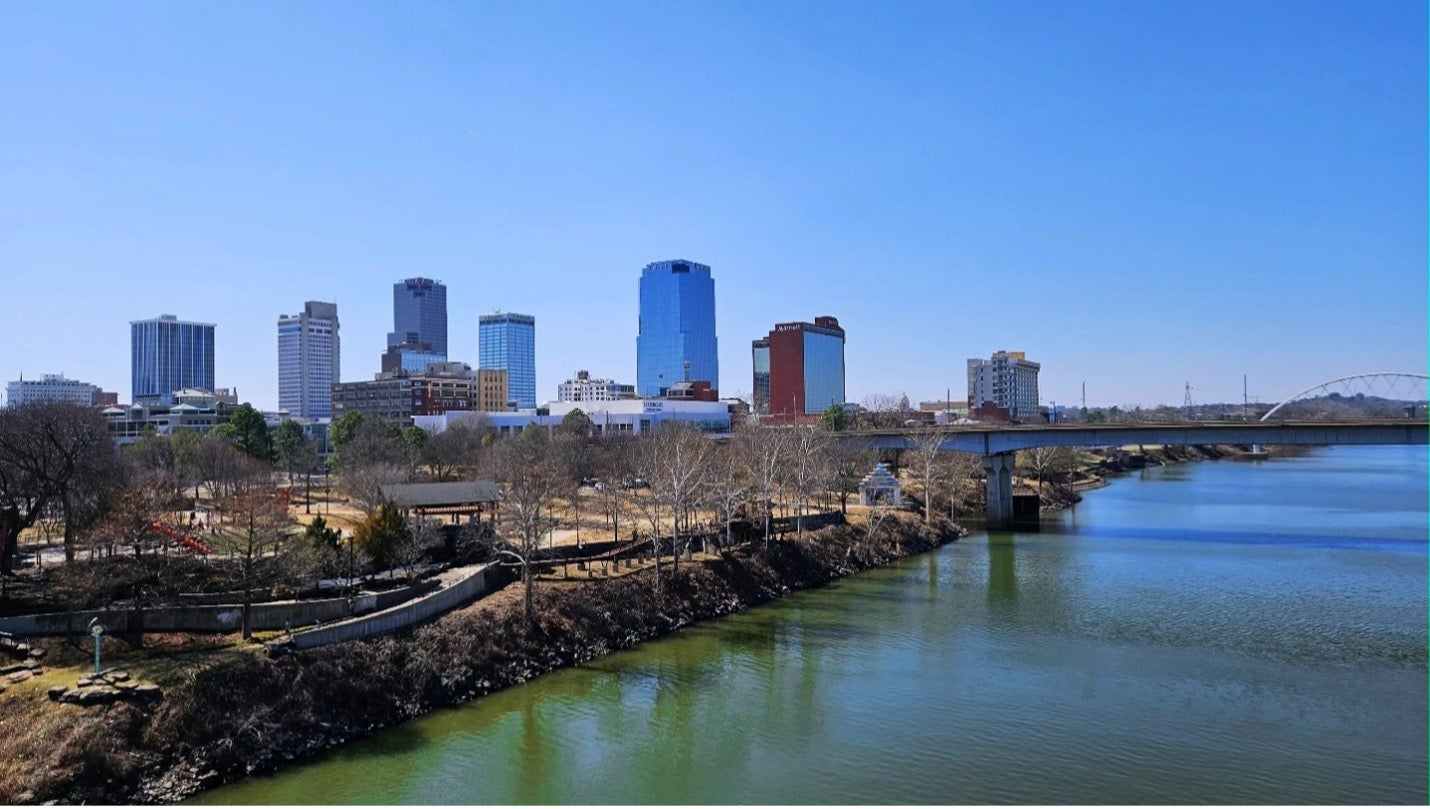
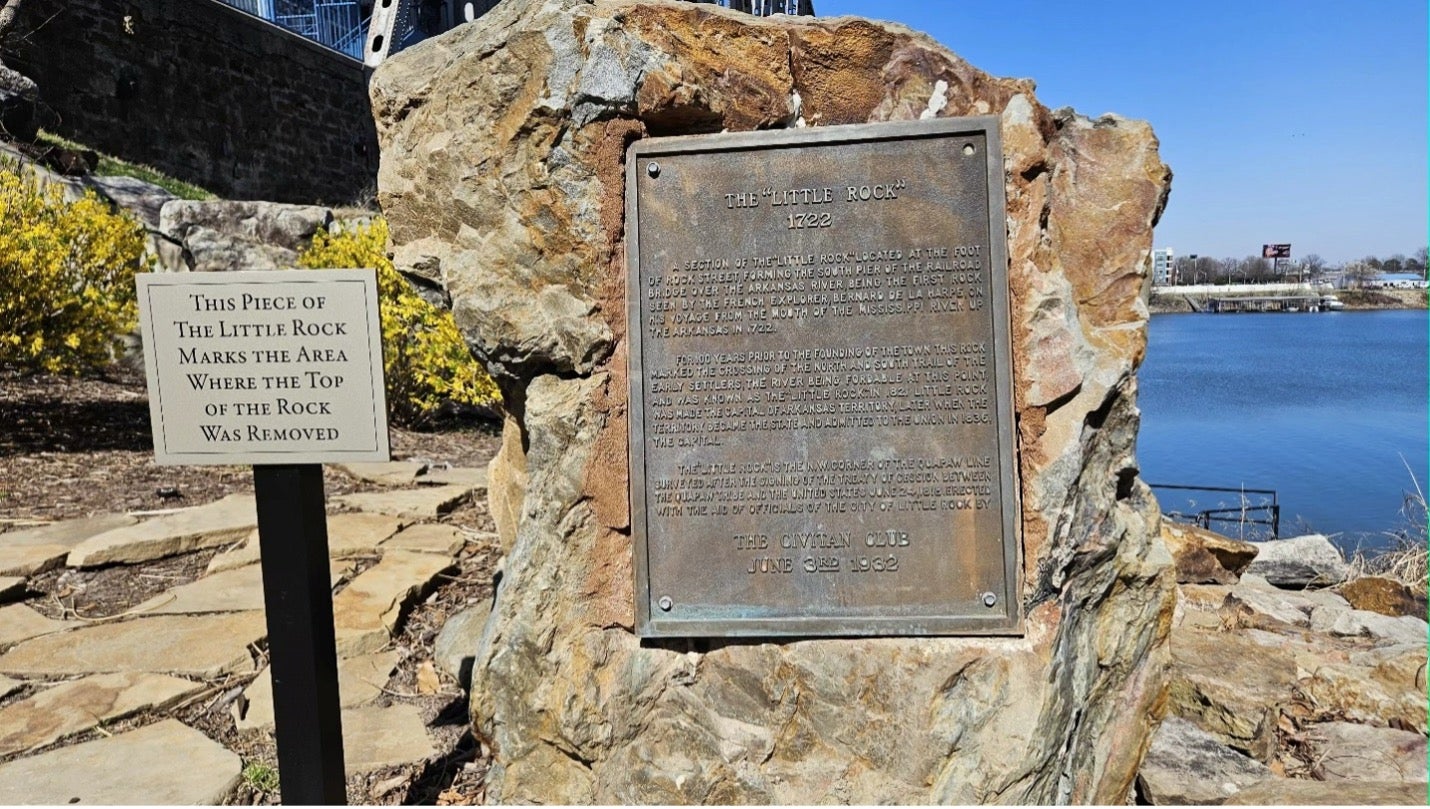
After lunch, I crossed the Junction Bridge over the Arkansas River. The bridge offers a clear view of the Little Rock skyline. At its base lies the “little rock” itself, a modest stone outcrop that gave the city its name and served as a landmark for early travelers. The rock was first noted by the French explorer Jean-Baptiste Bénard de La Harpe in 1722, who used it to distinguish this point along the river from a larger rock formation upstream.
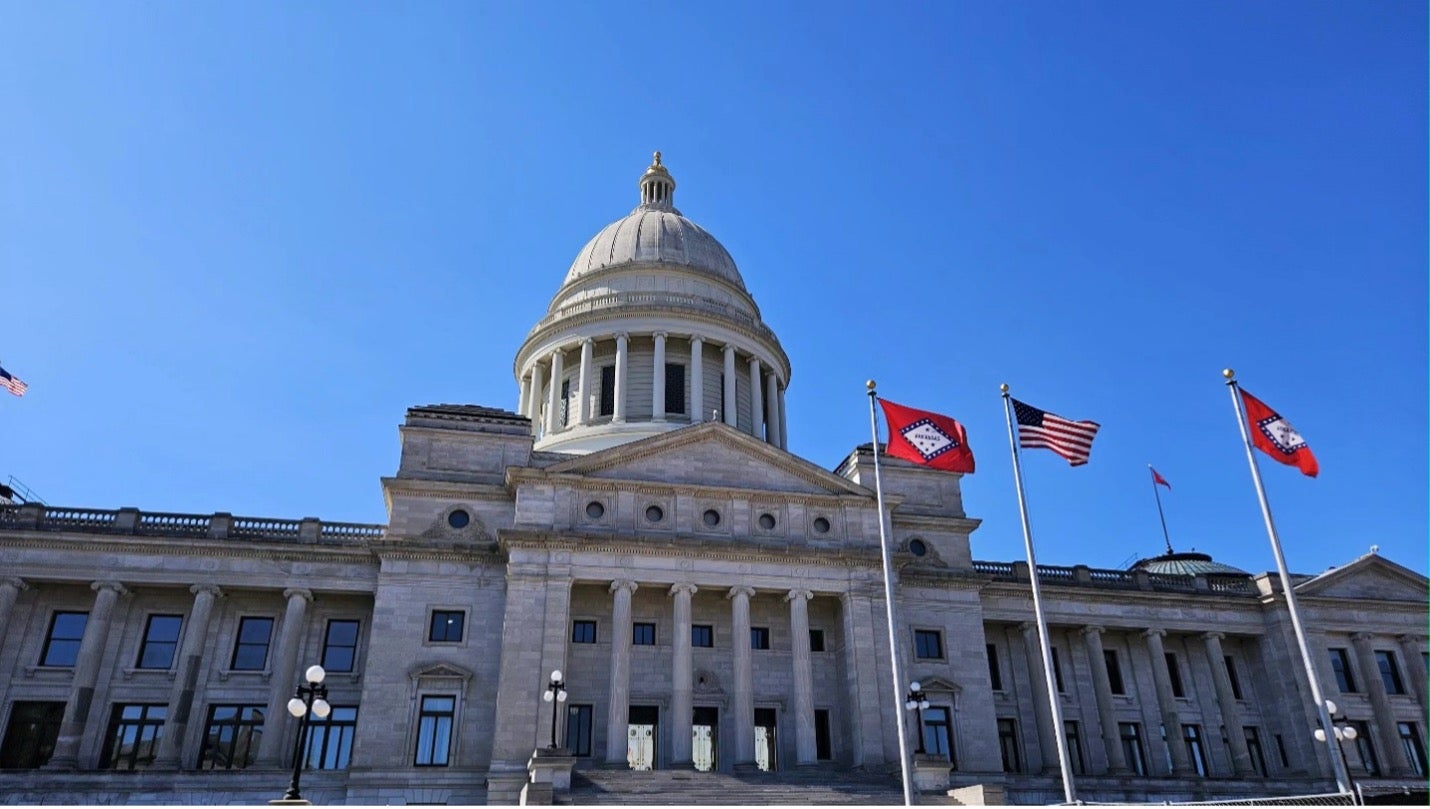
I then visited the Arkansas State Capitol, whose architecture consciously echoes that of the United States Capitol.
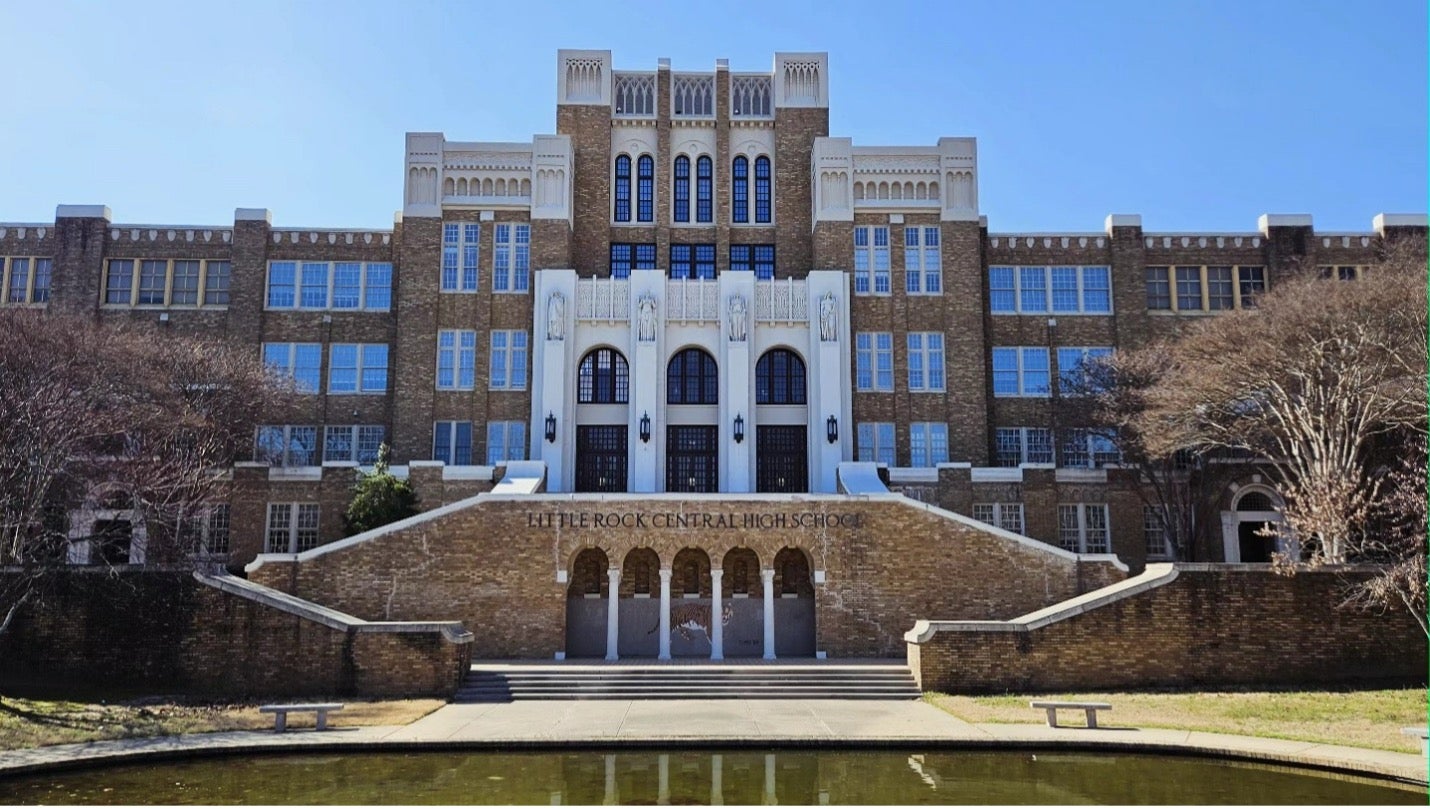
Further west, I arrived at the Little Rock Central High School National Historic Site, a pivotal site in the Civil Rights Movement. In 1957, following Brown v. Board of Education, nine African American students (the Little Rock Nine) attempted to integrate the previously all-white school. Their entry was initially blocked by the Governor of Arkansas, prompting President Dwight D. Eisenhower to send federal troops to enforce desegregation. The episode turned the school into a national symbol of the struggle over civil rights.
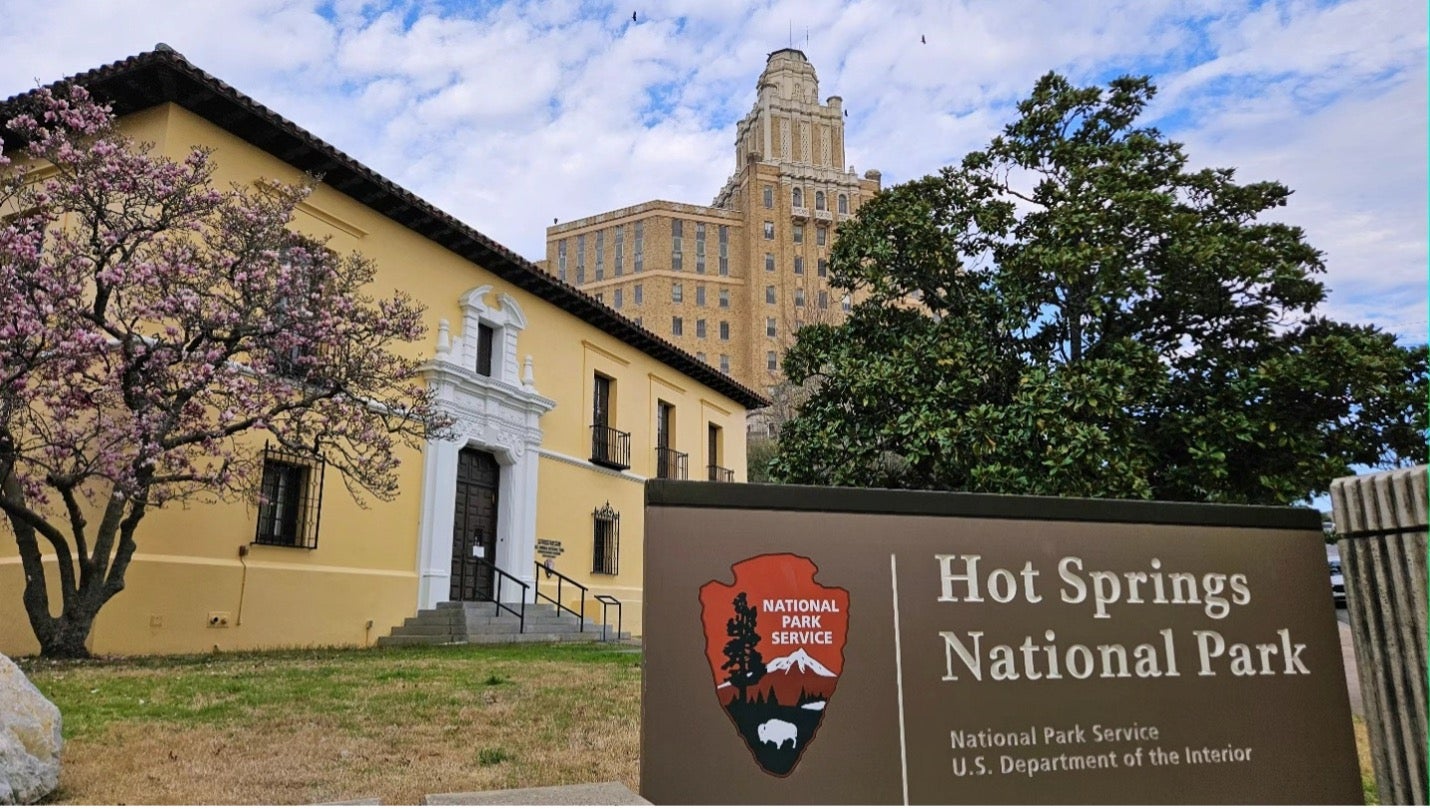
By early afternoon, I was back on the road, driving toward Hot Springs National Park. Famous for its thermal springs, the area has attracted visitors since the 19th century. I walked through the historic bathhouse district and visited the Fordyce Bathhouse museum, which offers insight into how spa culture operated in the late 1800s and early 1900s.
In the evening, I drove to Hope, where Bill Clinton spent part of his childhood, and went to bed early.
Day 3: Hope-Texarkana-Caddo Lake-Houston
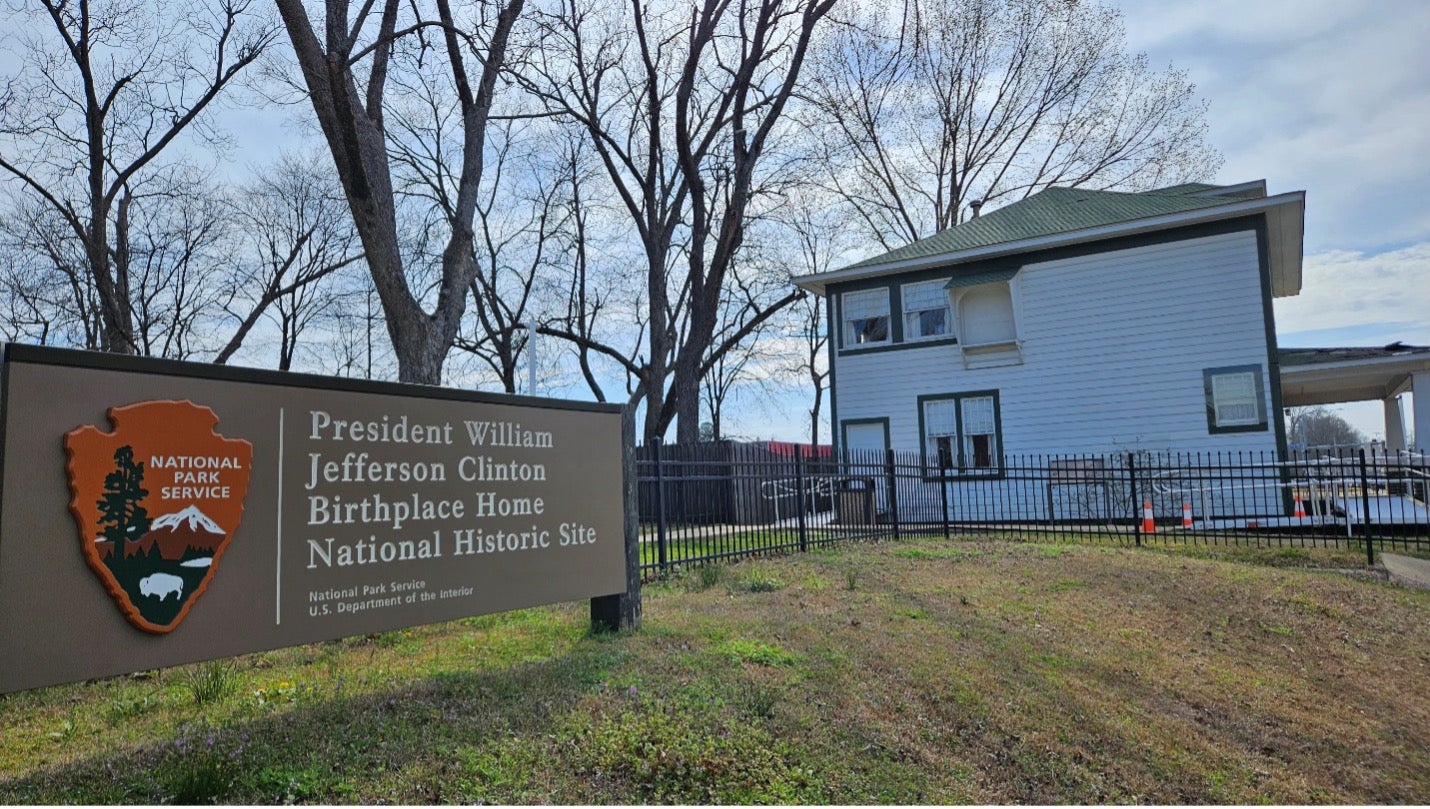
In the morning, I visited the Clinton Birthplace National Historical Park. William Jefferson Blythe III, the later President Clinton, was raised in this home by his widowed mother and her parents for the first four years of his life. With few visitors around, the ranger-led tour felt almost private. Walking through the kitchen, living spaces, and bedrooms, I gained a clearer sense of Clinton’s early environment: stable, middle-class, and rooted in a small-town setting.
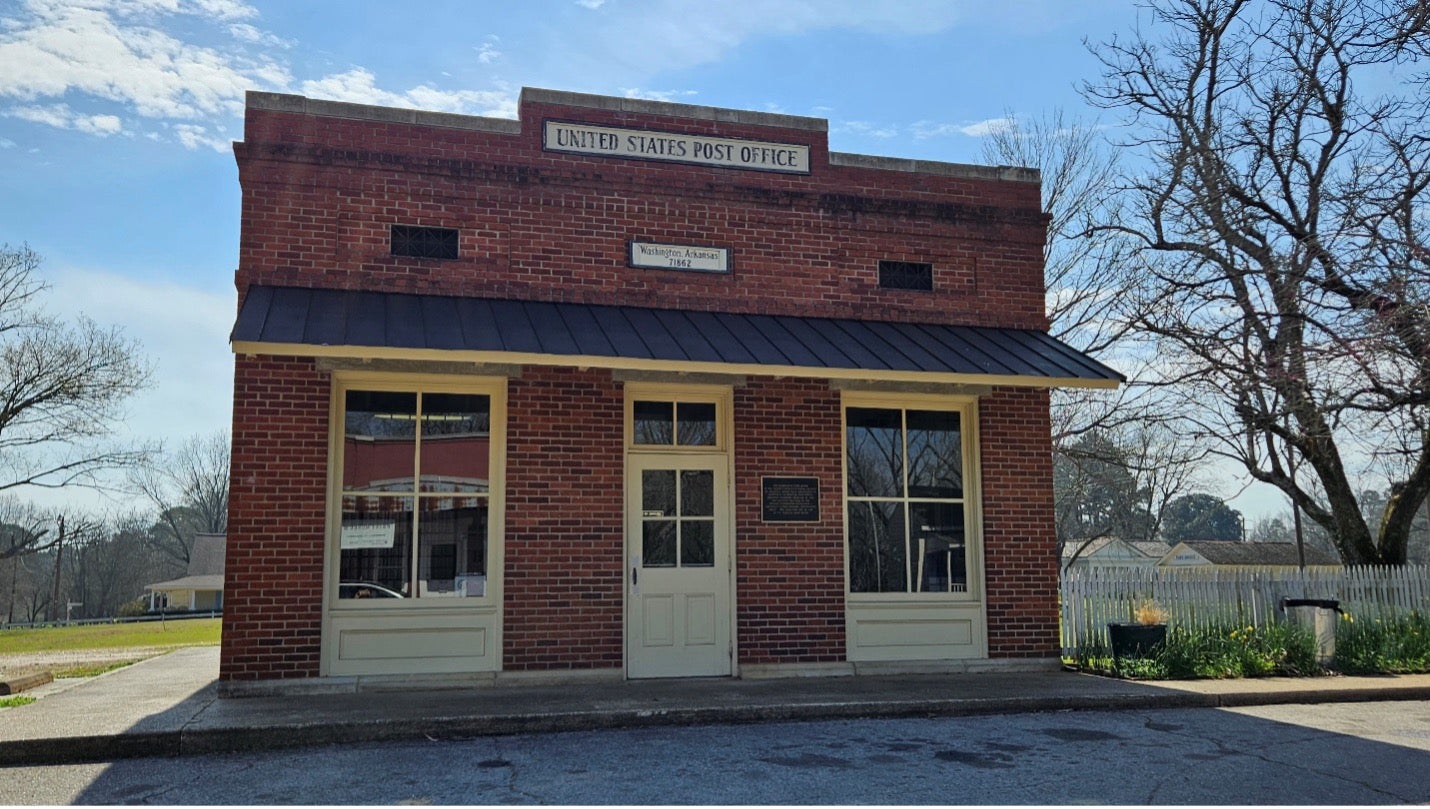
I then drove to Historic Washington State Park, once the Confederate capital of Arkansas during the American Civil War. The preserved courthouse, homes, and shops are spaced out across quiet streets. Without crowds, the town feels suspended in time. Walking there, you are aware not only of the 19th century but also of the layers of memory that shape how that past is presented today.
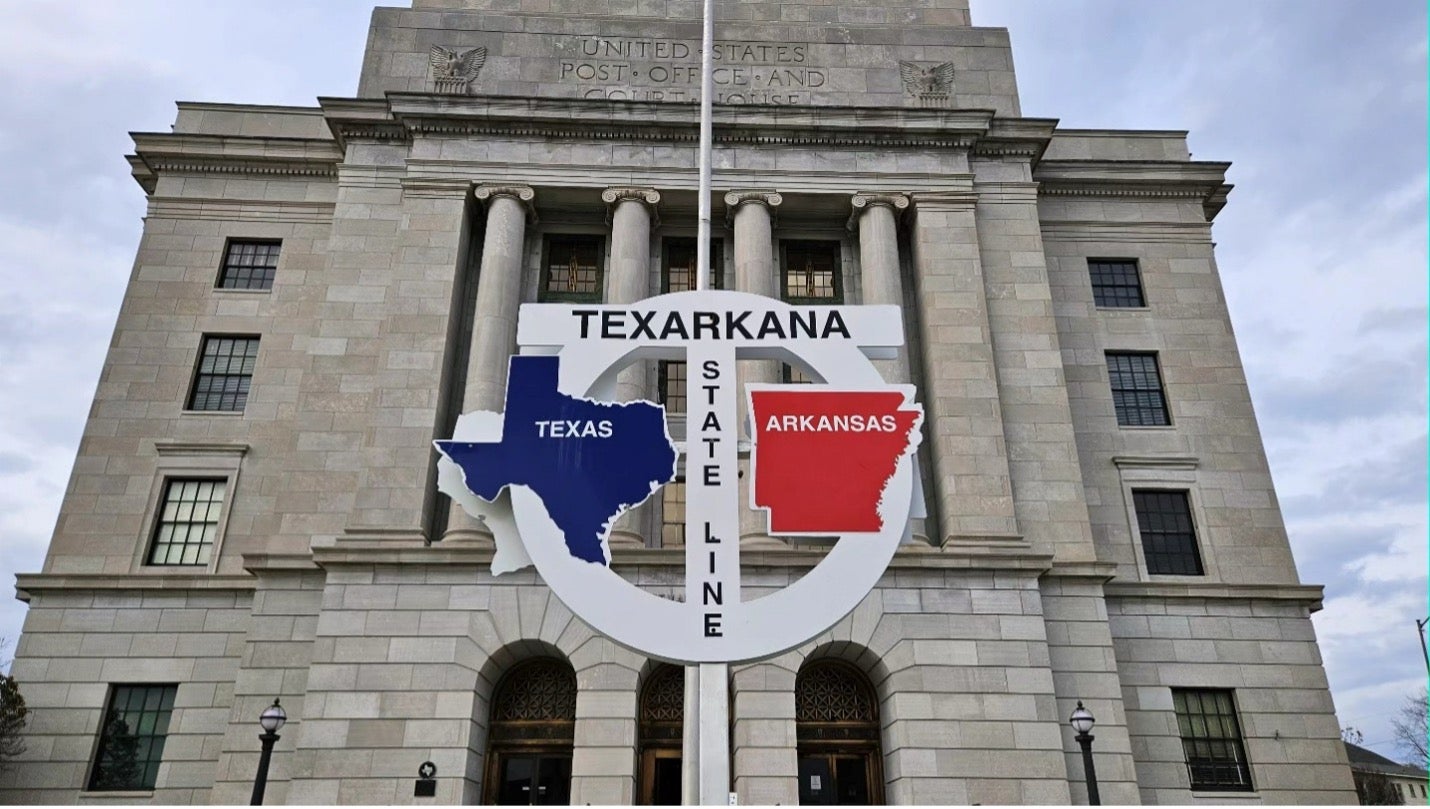
Next was Texarkana, where the state line literally runs through downtown. At the United States Post Office and Courthouse, you can stand with one foot in Texas and the other in Arkansas! This makes it a slightly theatrical but undeniably memorable photo stop.
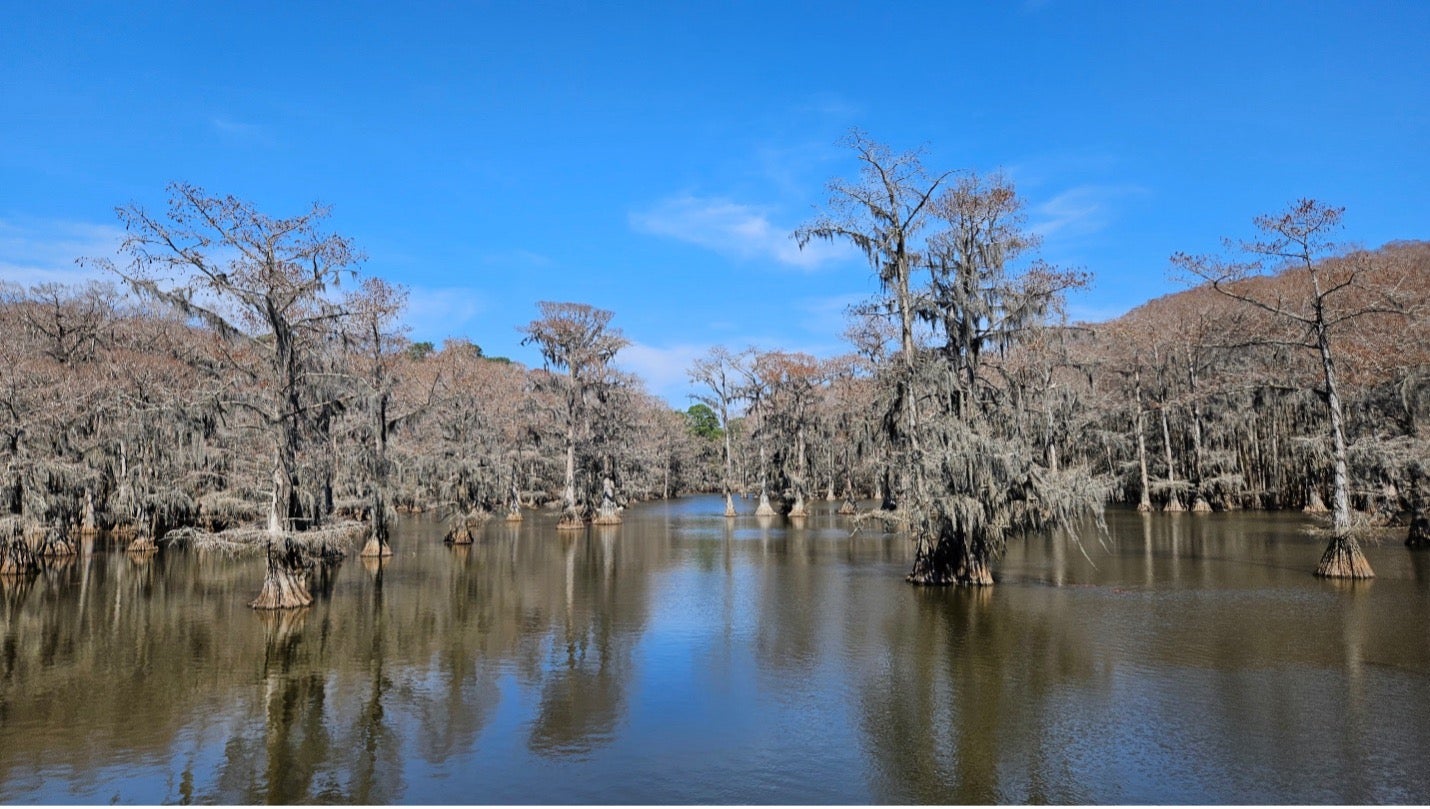
From there, I drove to Caddo Lake State Park. This was perhaps the most visually striking stop of the entire trip. The landscape shifts dramatically: cypress trees rise from still, dark water. Moss hangs from branches. The air feels quieter. Even without a boat, walking along the edge of the lake felt immersive, almost disorienting, as if entering a different ecological world. I promised myself that I would definitely come back and boat on the lake next time.
The final stretch back to Houston took about four hours.
Conclusion
This short road trip reshaped how I understood a region that is often treated as peripheral in national narratives. Moving from Memphis through Arkansas and into East Texas, I encountered not a blank “in-between” space, but a densely layered landscape where local sites carry national significance. Looking back, this was not simply a return journey from a conference, but a reminder that historical insight often lies off the most direct route.