
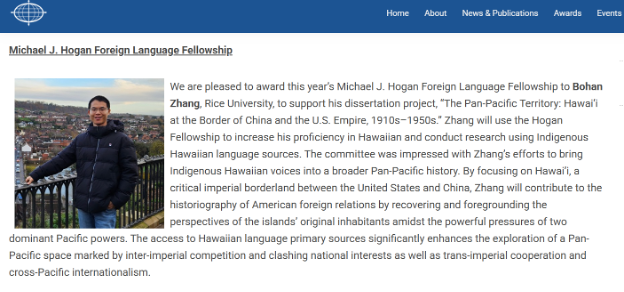
In January 2026, I was honored to receive the Michael J. Hogan Foreign Language Fellowship from the Society for Historians of American Foreign Relations (SHAFR), which supports language training and archival research using foreign languages. The fellowship will allow me to deepen my use of Hawaiian-language sources in my dissertation on Hawaiʻi and U.S.-China relations.
Shortly afterward, I learned that I had also been selected to participate in the SHAFR Summer Institute, a fully funded professional development program that brings together a small cohort of graduate students and early-career scholars working on the history of U.S. foreign relations. Since the Institute was held immediately before the SHAFR Annual Conference in Columbus, Ohio, I decided to remain for the conference as well, even though I was not presenting a paper this year. Looking back, spending the entire week in Columbus proved to be one of the most intellectually rewarding experiences of my graduate career.
The SHAFR Summer Institute
On June 20, I arrived in Columbus and headed directly to the campus of The Ohio State University, where the Summer Institute would take place over the next three and a half days. This year’s Institute, themed “Strategic Cultures,” was co-directed by Professors Christopher McKnight Nichols (The Ohio State University) and Andrew Preston (University of Virginia), two leading historians of U.S. foreign relations, grand strategy, and international history.
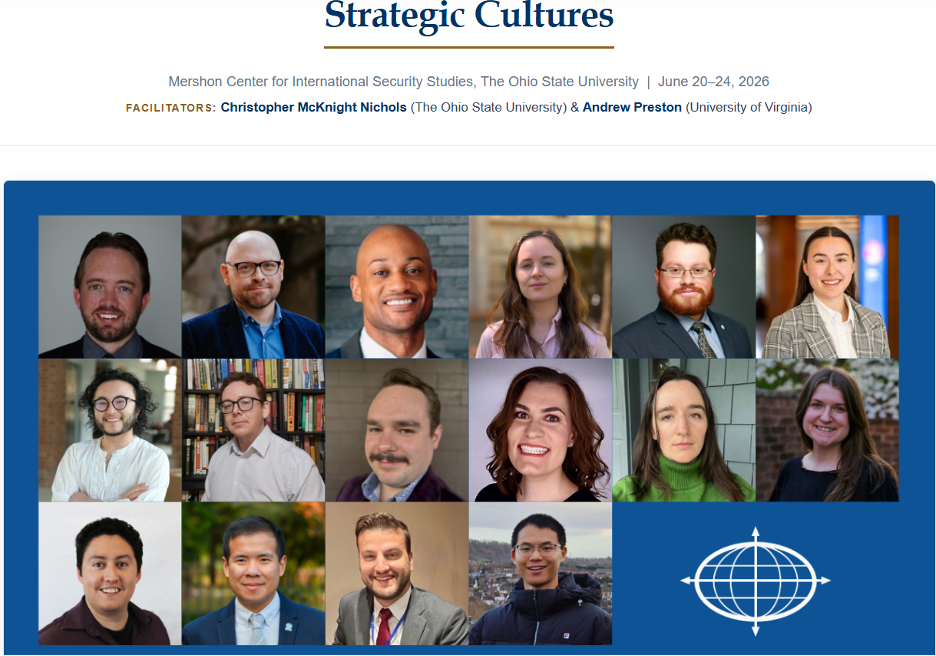
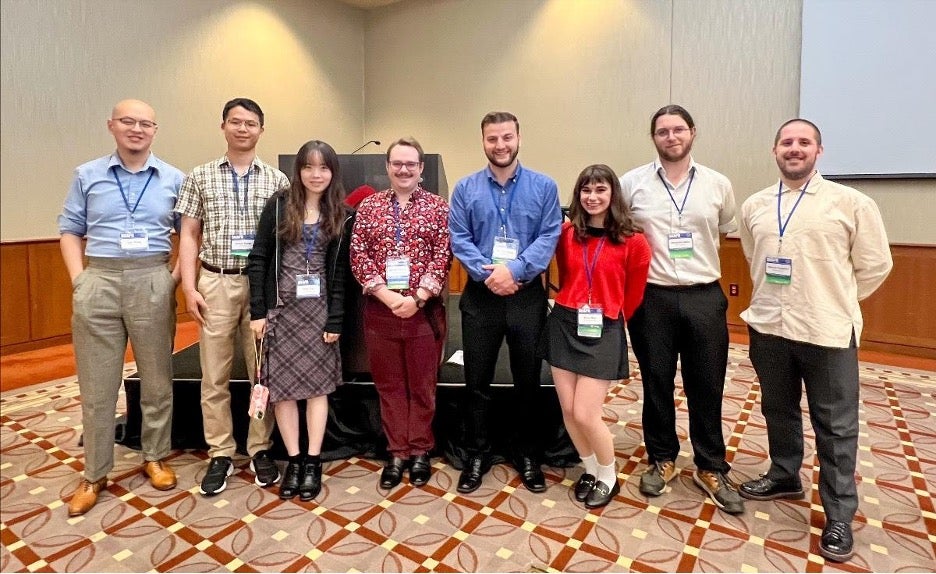
Among the many workshops and summer seminars I have attended so far, the SHAFR Summer Institute was unique in its intensive focus on participants’ own research. Before arriving, each of the sixteen participants submitted either a dissertation chapter or a journal article manuscript. Everyone was expected to read all of the papers in advance, making the discussions remarkably substantive from the very beginning.
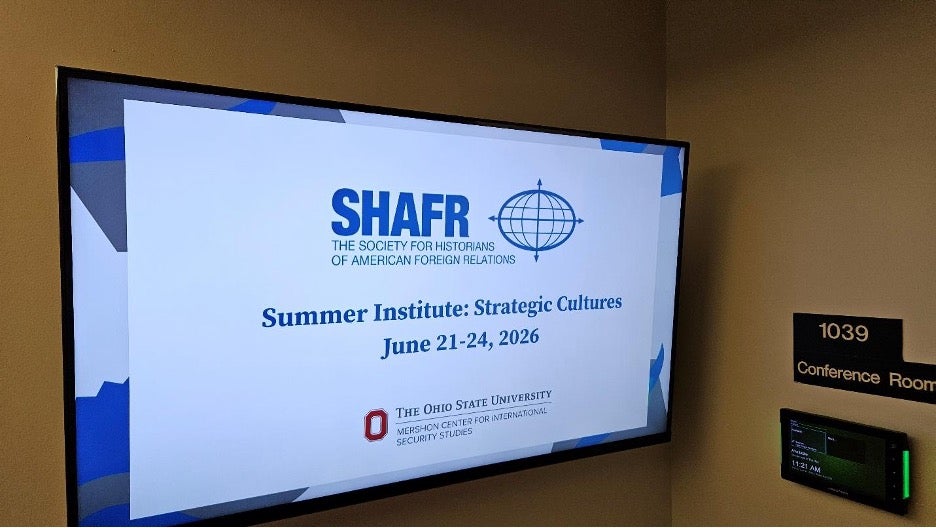
Each paper received a full hour of discussion. One participant served as the formal commentator before the conversation was opened to the entire group. I had the opportunity to serve as a commentator for the first time in my academic career. Preparing detailed comments required me to think critically about another’s work, identify its strengths, and offer constructive suggestions. It was both challenging and rewarding, and it gave me a new appreciation for the role of peer review in academic scholarship.
Equally valuable was receiving feedback on my own dissertation chapter. Rather than offering superficial comments, both faculty and fellow participants engaged deeply with my arguments, sources, and historiography. Their questions encouraged me to clarify several conceptual issues and suggested new directions that I am now incorporating into the dissertation. Because everyone had invested considerable time in reading one another’s work, the conversations were unusually candid, thoughtful, and supportive.
Beyond the manuscript workshops, the Institute also featured professional development sessions on publishing, writing for broader audiences, and navigating the academic profession. Guest speakers shared their experiences with research, career development, and book publishing. One particularly valuable opportunity was meeting editors from Diplomatic History and the Journal of American-East Asian Relations. Our conversations about publishing strategies, journal expectations, and the current direction of the field were extremely helpful as I continue developing dissertation chapters into future articles.
Perhaps just as important as the formal sessions were the informal conversations over meals and coffee breaks. Spending several days together created an atmosphere that made it easy to exchange research ideas, discuss archival discoveries, and learn more about each other’s projects. By the end of the Institute, what began as a group of strangers had become a network of colleagues whose work I look forward to following in the years ahead.
Attending the SHAFR Annual Conference
The SHAFR Annual Conference began the day after the Summer Institute concluded. Although I was not presenting a paper this year, attending the conference allowed me to stay informed about new scholarships in the field and to continue conversations that had begun during the Institute.
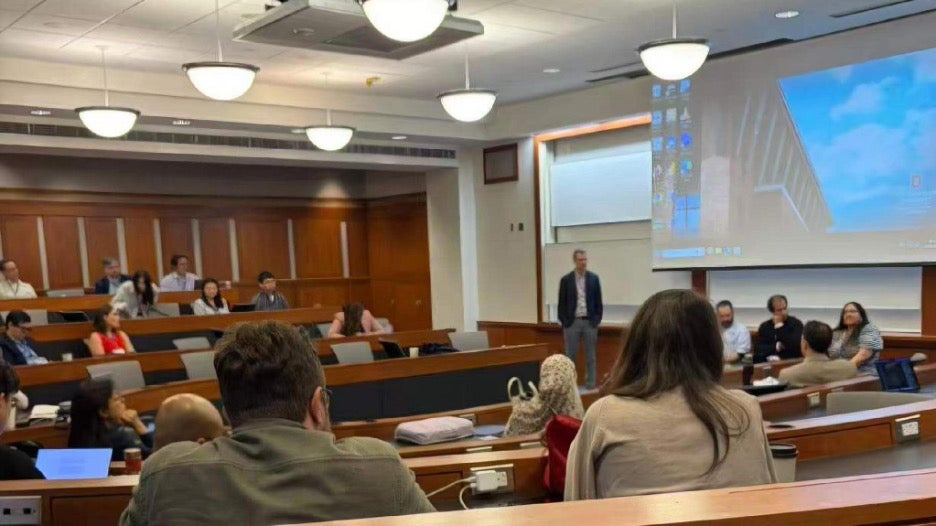
I attended panels on U.S. empire, U.S.–East Asian relations, and transnational history, all of which intersect with my own research on Hawaiʻi and the Pacific. Listening to leading historians discuss new archival discoveries and methodological approaches provided a valuable perspective on where the field is heading. Conferences are often as much about learning as presenting, and I found it refreshing to spend several days simply listening, taking notes, and reflecting on how these conversations relate to my own dissertation research.
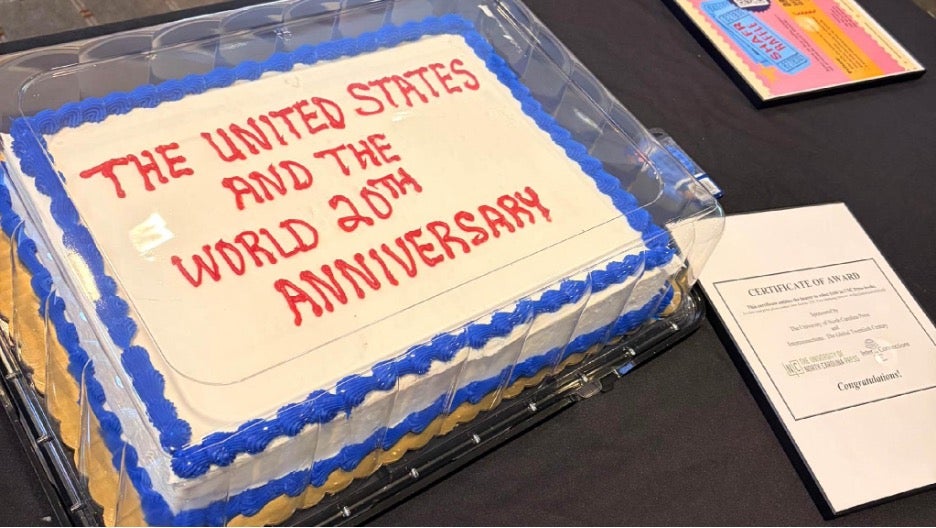
To reduce travel expenses, I also volunteered at the conference registration desk for one afternoon. In exchange, SHAFR waived my conference registration fee. While the work itself was straightforward, it unexpectedly became another networking opportunity, allowing me to meet scholars throughout the conference and welcome participants as they arrived.
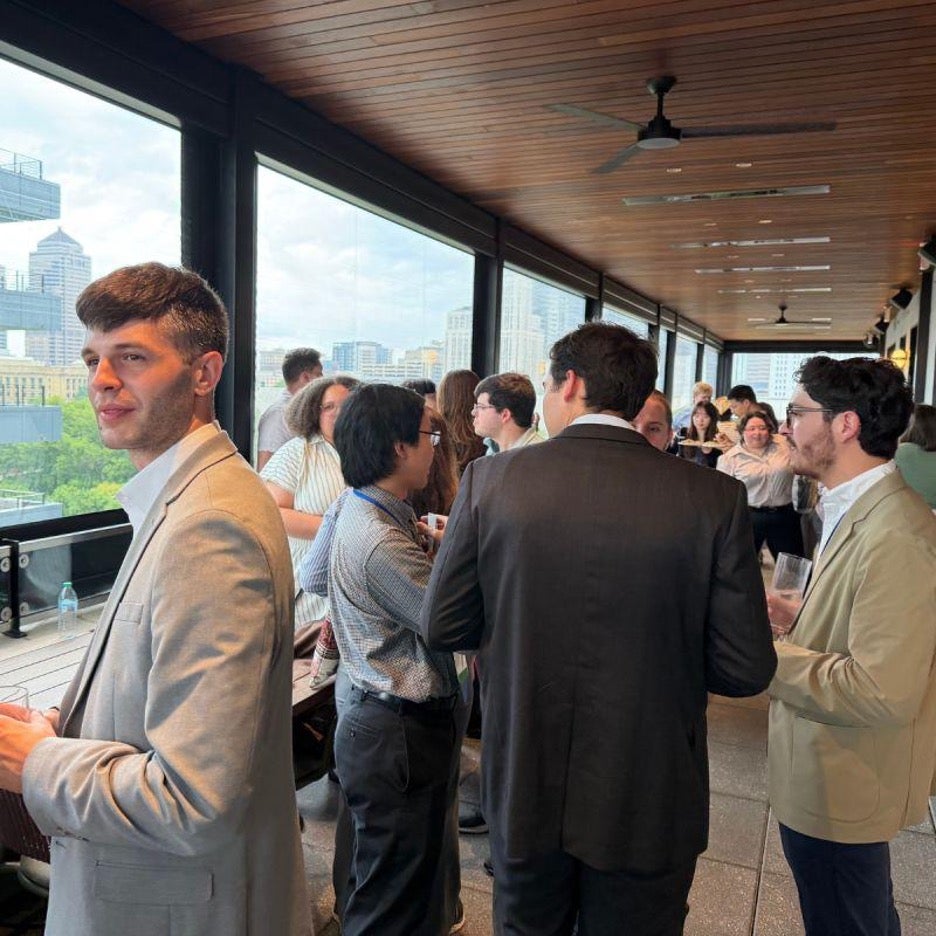
Like many historians, I also spent time exploring the book exhibit. Browsing newly published monographs and speaking with editors offered a useful overview of emerging trends in diplomatic and international history. I also attended the Graduate Student Mixer organized by the University of Texas at Austin’s Clements Center, where I met graduate students from universities across the United States and learned about their research projects. These informal conversations are often among the most enjoyable parts of an academic conference.
Receiving the Michael J. Hogan Foreign Language Fellowship
The highlight of the conference came during the Thursday awards luncheon, where I was formally recognized as a recipient of the Michael J. Hogan Foreign Language Fellowship.
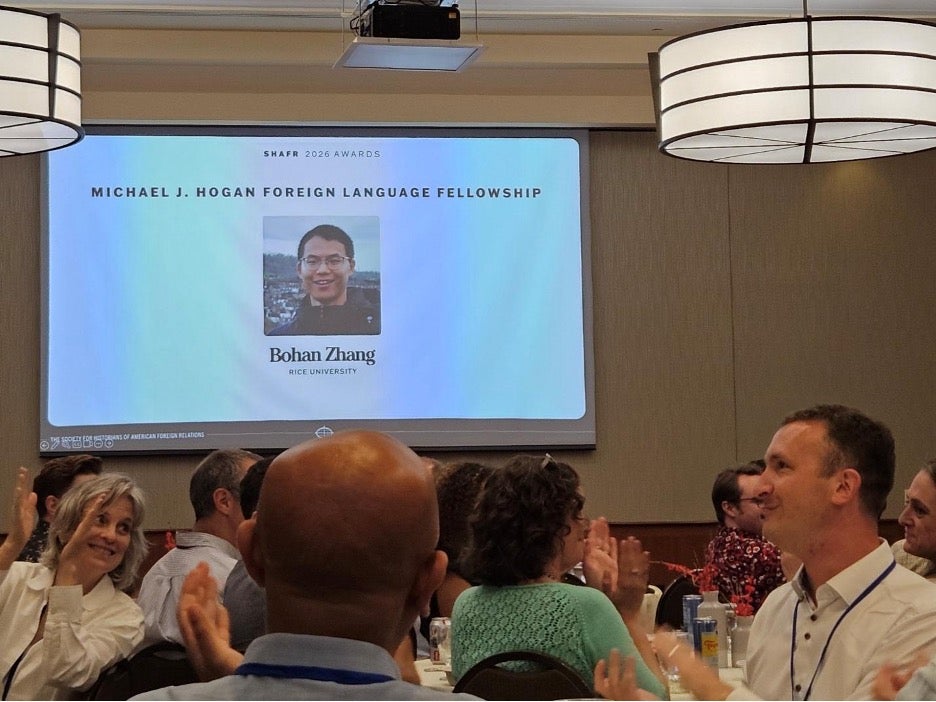
Receiving this fellowship from SHAFR, the leading professional organization for historians of U.S. foreign relations, was both an honor and a tremendous encouragement. It will support my continued work with Hawaiian-language newspapers and other archival sources that illuminate Native Hawaiian perspectives on U.S. imperial expansion and transpacific interactions. By incorporating Hawaiian-language materials alongside Chinese and English archives, I hope to present a more inclusive account of Hawaiʻi’s place in the making of the modern Pacific world.
Reflections
Since I had visited Columbus before, I did not spend much time sightseeing. Instead, I devoted the week entirely to the Institute and the conference—and I could not have made a better decision. The Summer Institute provided an unusually intensive environment for improving my dissertation, while the conference allowed me to reconnect with friends, meet new colleagues, and engage with the latest scholarship in the field. Receiving the Michael J. Hogan Foreign Language Fellowship made the week especially memorable, but perhaps the most lasting takeaway was the sense of belonging to a vibrant scholarly community. I returned to Houston with a stronger dissertation chapter, new professional connections, fresh research ideas, and greater confidence about the direction of my project. As I continue writing my dissertation and preparing future publications, I look forward to continuing that conversation.