
Exploring the Deep South: New Orleans and Mississippi Road Trip
By Bohan Zhang
Every colleague in my office envied me when I told them I was heading to New Orleans, Louisiana. But when I asked for travel tips about Mississippi, most went silent. Some admitted they had only ever driven through the Magnolia State. After returning from my six-day winter break road trip through New Orleans and Mississippi in 2024, I can confidently say: New Orleans is every bit as exciting as they claimed, but Mississippi turned out to be a hidden gem. Come along as I explore these two fascinating Deep South states!
Day 1: Houston → New Orleans
I overslept that morning and fell behind schedule. After a long six-hour drive along I-10, I finally reached New Orleans, although I had missed my planned stops in Beaumont, TX, and Baton Rouge, LA. According to my guidebook, the Spindletop Gladys City Boomtown Museum in Beaumont recreates the oil derricks where oil was first discovered in 1901—an event that sparked the Texas oil boom. I also regret missing the panoramic view from the observation deck of the Louisiana State Capitol in Baton Rouge. As the state tourism website says, “On a clear day, you really can see a lot of Louisiana!”
Small regrets, though, only give us reasons to plan the next trip.
Day 2: New Orleans
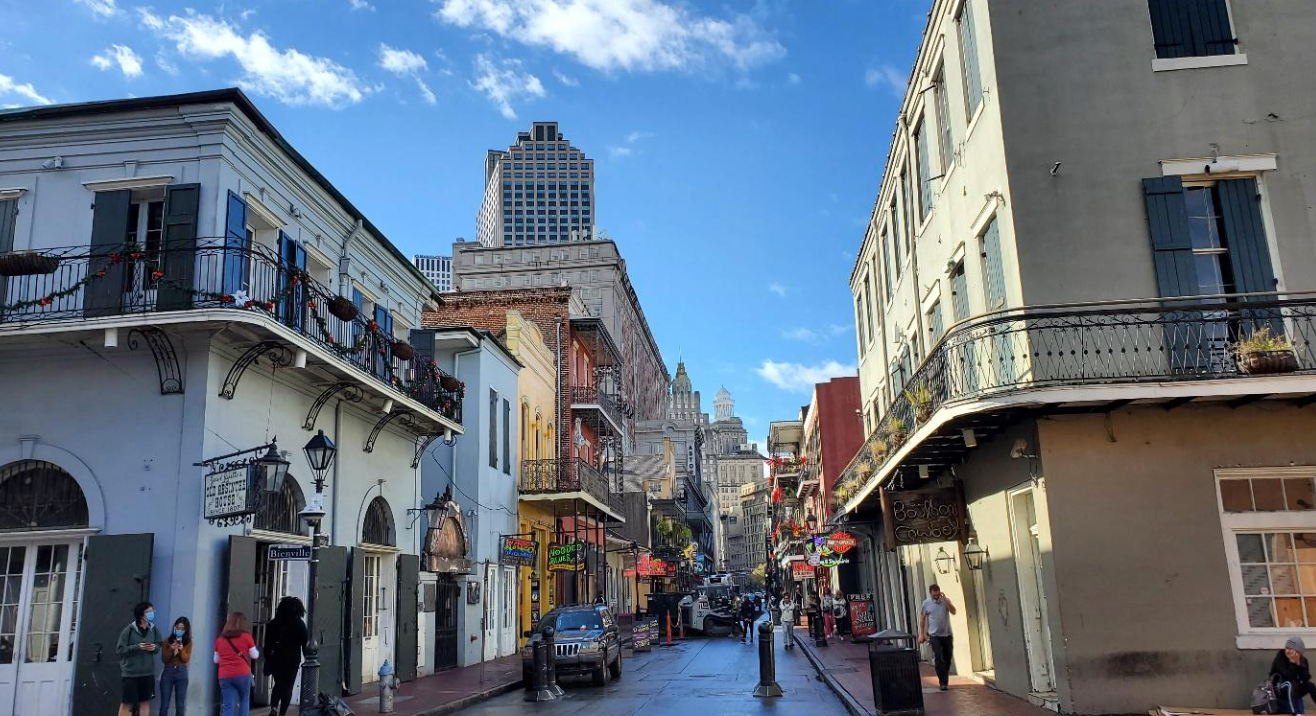
Like most tourists, my first stop was the French Quarter. Wandering down Bourbon Street, I felt the lingering French colonial spirit. Although most of the original French buildings were lost in the Great New Orleans Fire of 1788, the surviving architecture still reflects strong French and Spanish influences.
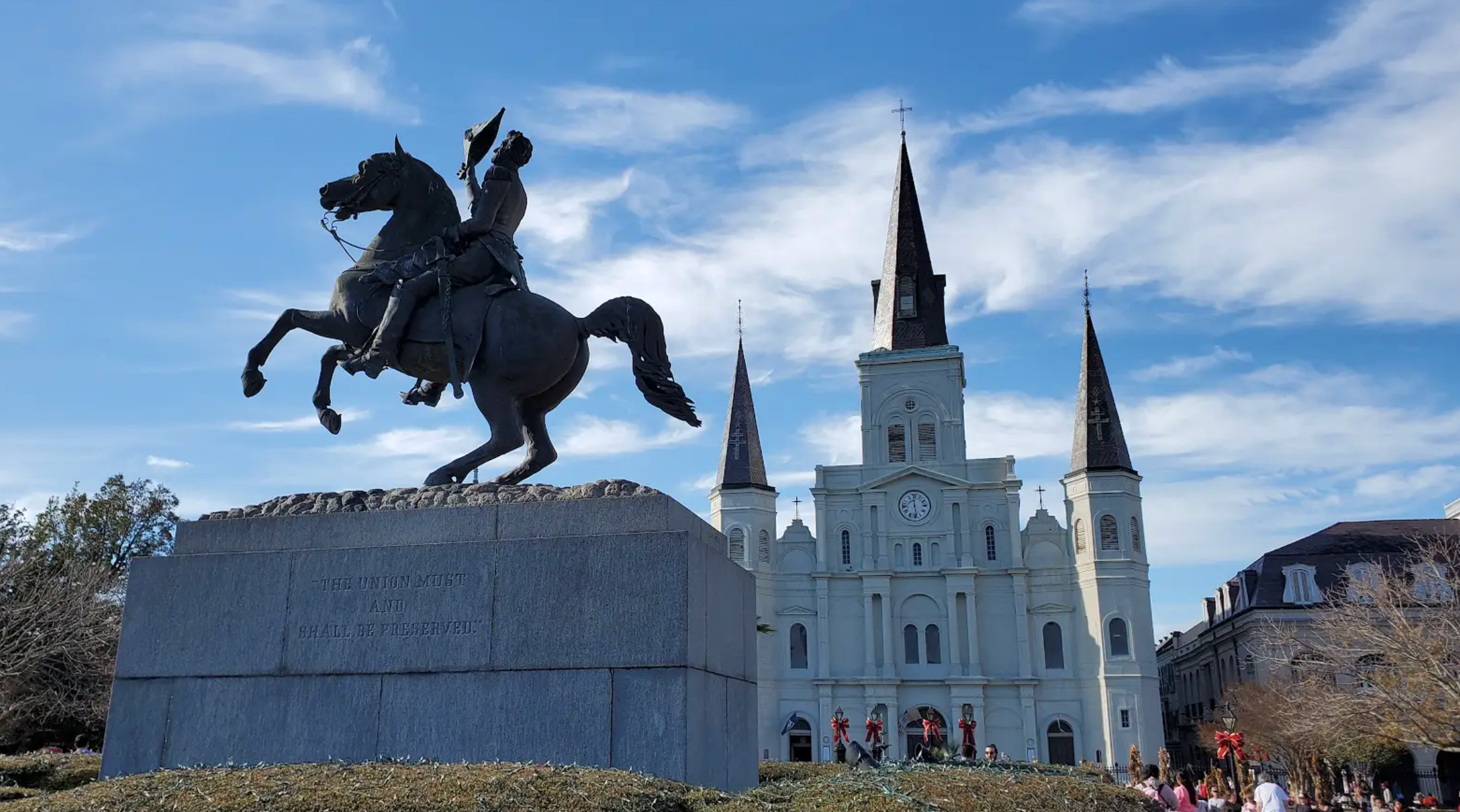
At the heart of the Quarter is Jackson Square, named after Andrew Jackson, victor of the 1815 Battle of New Orleans. Even though the battle occurred after the Treaty of Ghent had officially ended the War of 1812, Jackson’s victory made him a national icon—and later the 7th U.S. president. (By the way, Jackson, Mississippi, which I’d visit later, is also named after him.) The St. Louis Cathedral, the oldest continuously active cathedral in the U.S., was awe-inspiring. Next door, the Presbytère—once a religious residence, now a museum—offered fascinating insights into the city’s past.
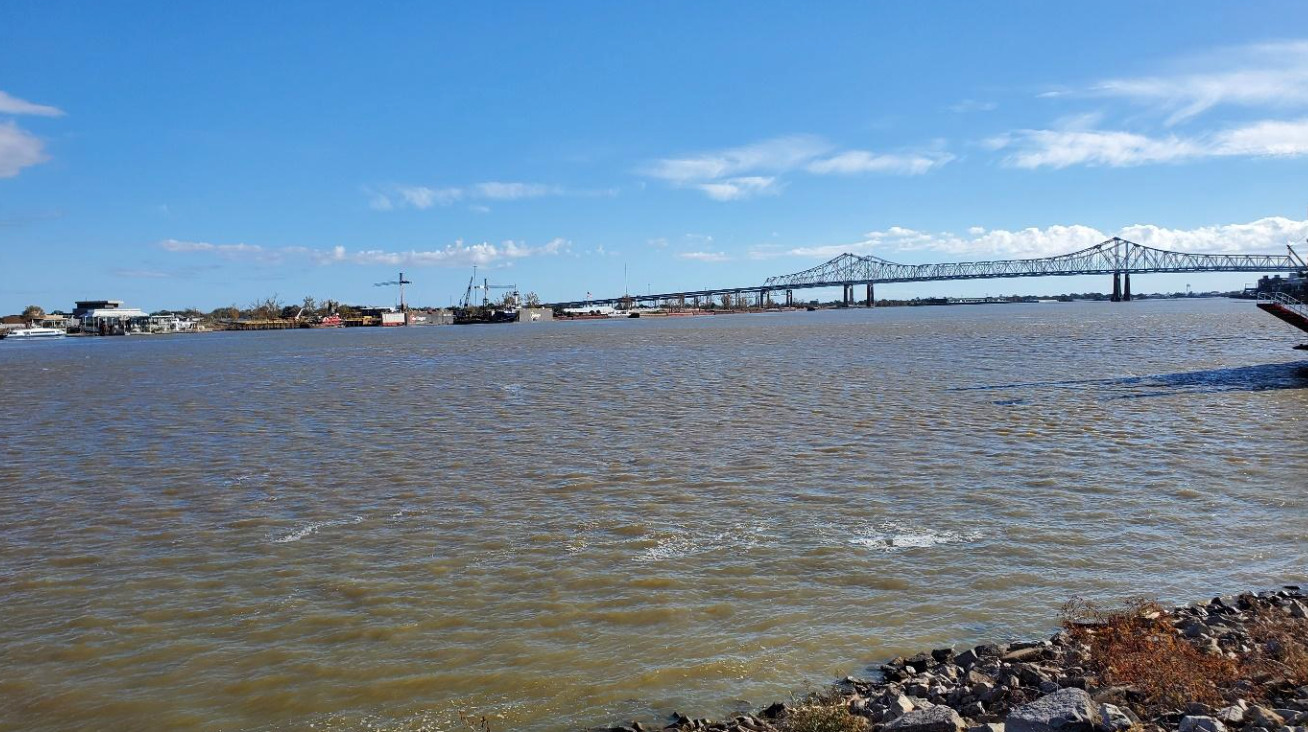
Across the square flows the mighty Mississippi River. New Orleanians have always had mixed feelings about the “Old Man River.” The Mississippi has long been a source of wealth and vitality, fueling the city’s growth through trade and transportation. Yet, the same river that sustains New Orleans has also threatened it time and again, with catastrophic floods such as those in 1849 and 1927, leaving deep marks on the city’s history.
Later, I visited the New Orleans Jazz National Historical Park, a small but lively museum that traces the evolution of jazz through the contributions of local musicians. As always, I got a cancellation stamp on my National Park Passport! Before sunset, I took a stroll through Tulane University’s compact yet charming campus.
Day 3: New Orleans
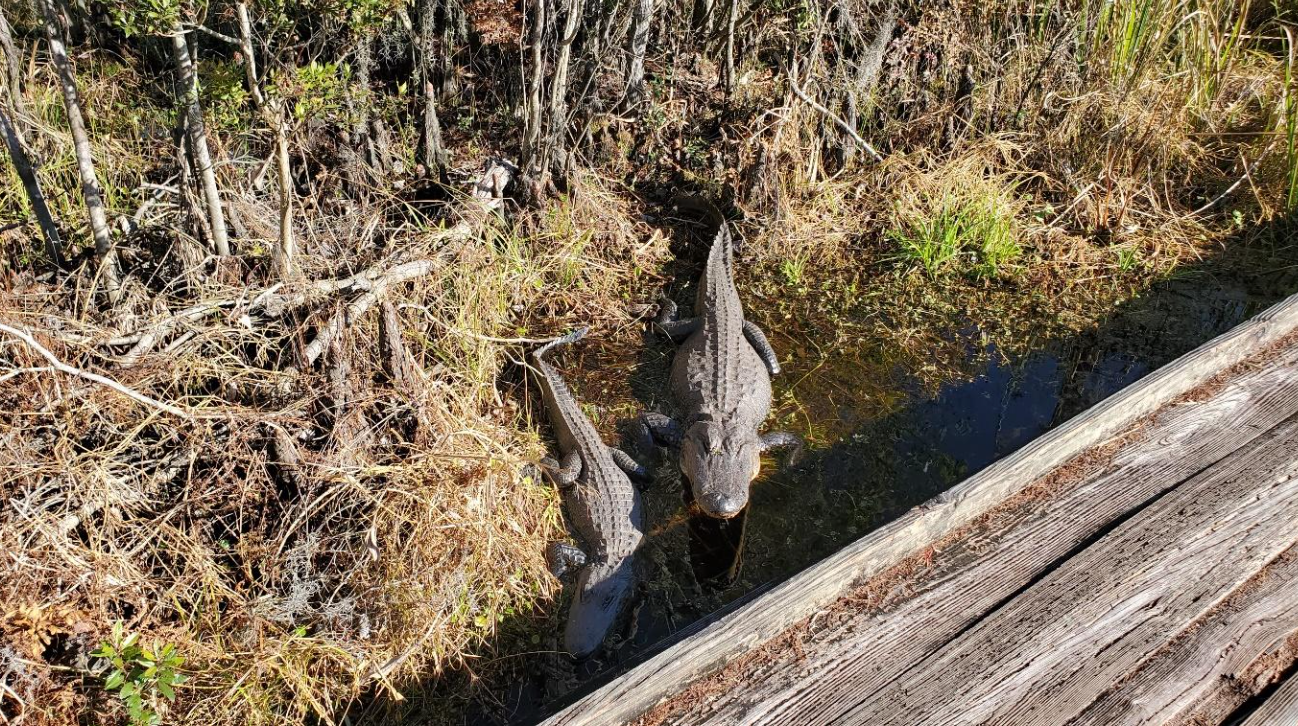
Heavy rain kept me indoors until the afternoon, when I drove to Barataria Preserve, part of the Jean Lafitte National Historical Park and Preserve. I hiked two trails, both of which were worth exploring. My favorite was the Visitor Center Trail, a short wooden boardwalk that crosses over the swamp, where I literally encountered two alligators near the path!
The rain returned before I could visit St. Louis Cemetery or Audubon Park—fingers crossed for better weather tomorrow!
Day 4: New Orleans
The sky was still gray, but thankfully, the rain had stopped. I left early to see plantation sites along the Mississippi River. Although I’m not a 19th-century U.S. historian, I’ve read about African American life in the antebellum South. Walking through these plantations brought that tragic history to life in a way books never could. My first stop was Oak Alley Plantation. The guided tour vividly described its rise and fall.
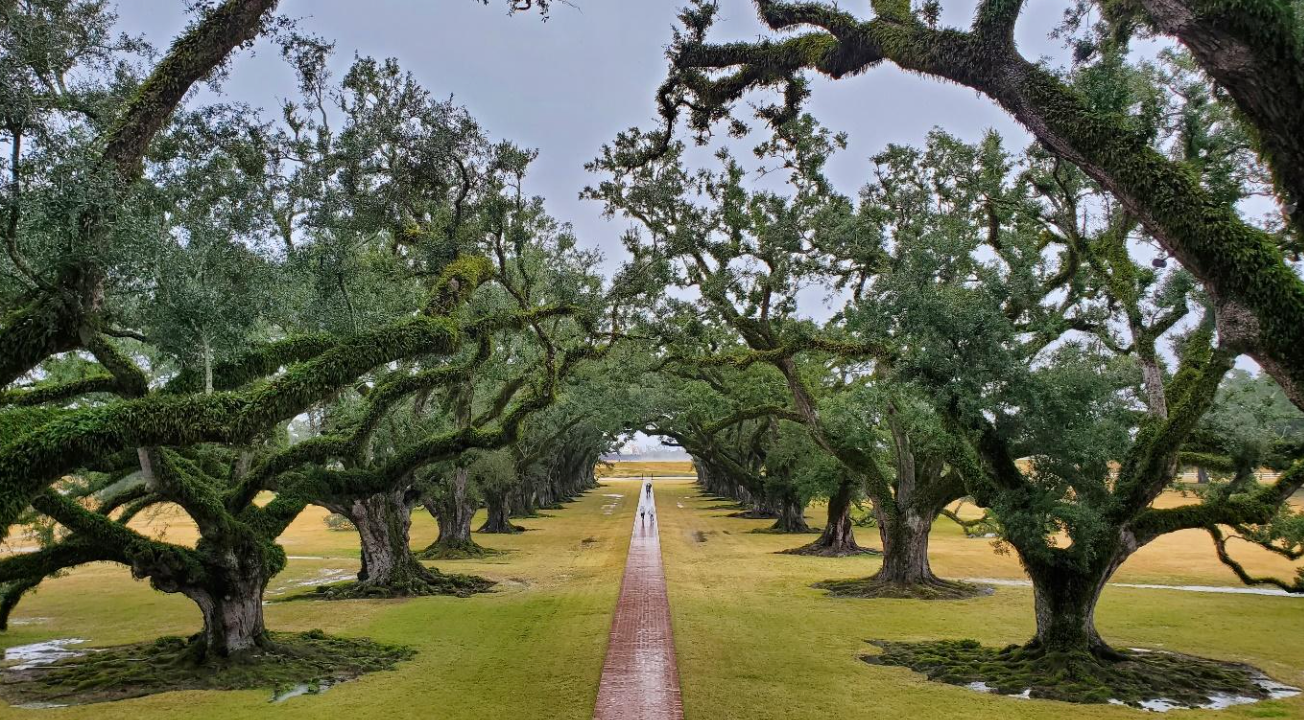
In the afternoon, I visited Whitney Plantation and then dropped by the San Francisco Plantation House, featuring a blue Moorish-style turret and a distinctive “Steamboat Gothic” design.
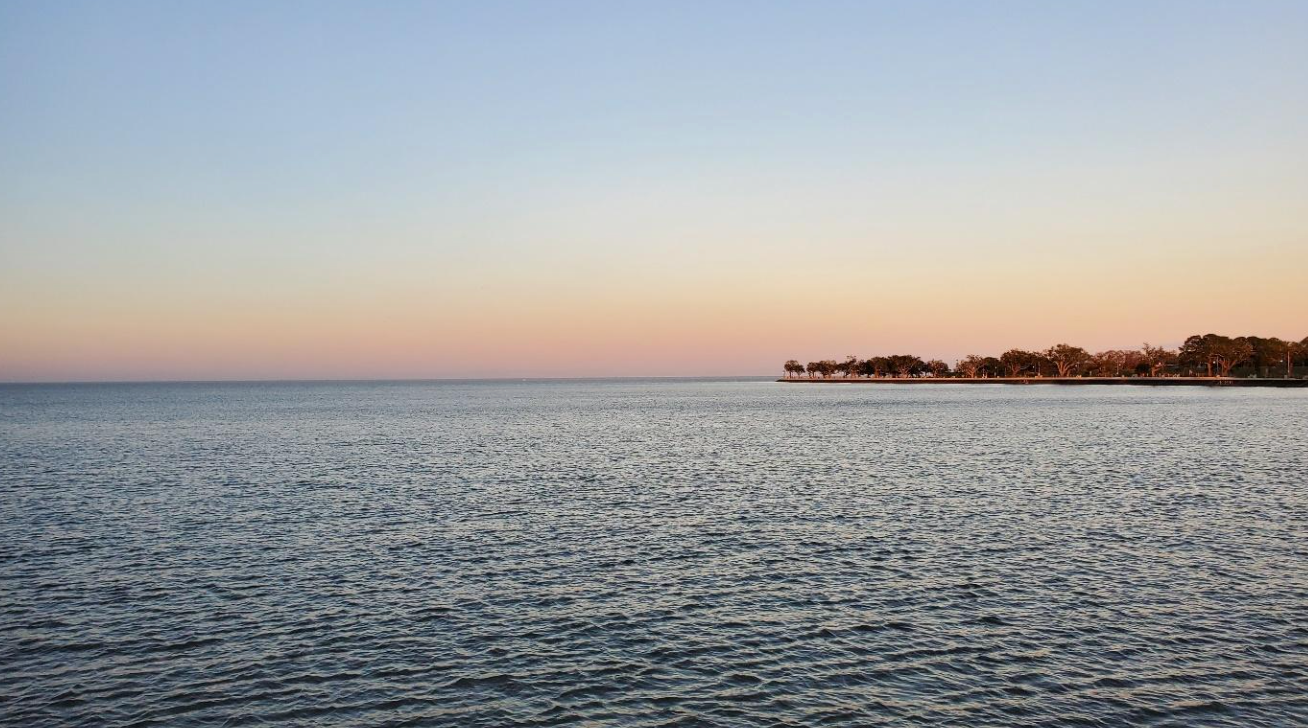
Before sunset, I returned to New Orleans and drove along Lakeshore Drive by Lake Pontchartrain—the view was unforgettable.
Day 5: New Orleans → Jackson → Vicksburg
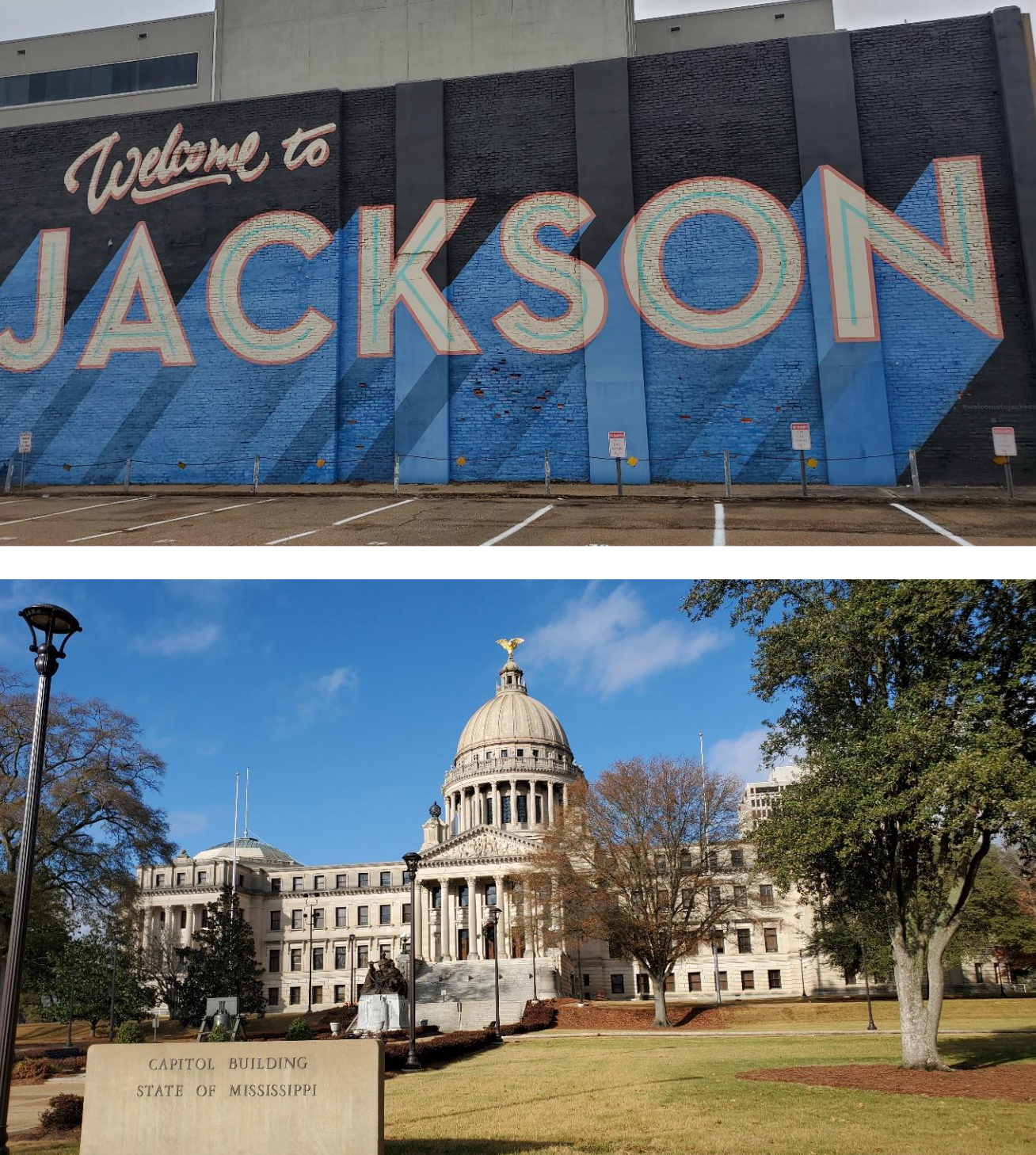
Leaving early along I-55, I arrived in Jackson, Mississippi, by early afternoon. I toured the Old Capitol Museum and Mississippi State Capitol, though the Civil Rights Museum and Medgar and Myrlie Evers Home National Monument were closed for New Year’s Eve.
From Jackson, I continued west toward Vicksburg. Perched on bluffs overlooking the Mississippi River, the city played a pivotal role in the American Civil War. For months in 1863, Union and Confederate forces clashed in a brutal campaign that would determine control of the river—the vital lifeline of the South. Driving into Vicksburg National Military Park, I felt history hang in the air. The rolling hills are dotted with monuments, markers, and statues, each one telling a story. I followed the winding park road that traces the lines of battle, imagining the thunder of artillery and the resilience of soldiers on both sides.
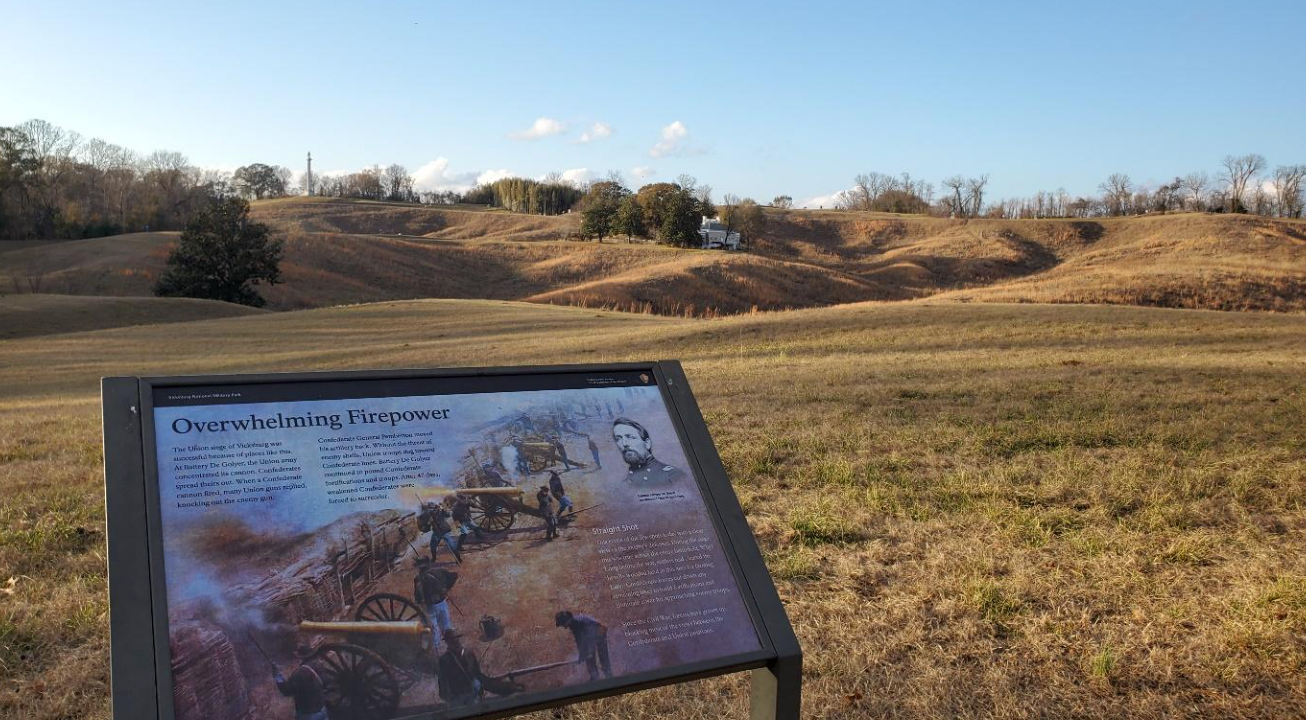
As a Civil War enthusiast, being there was profoundly moving. Lincoln once called Vicksburg “the key to the war,” and standing on those ridges, it was easy to see why. The Confederate surrender to Ulysses S. Grant on July 4, 1863, gave the Union complete control of the Mississippi River—splitting the Confederacy in two and marking a decisive turning point in the war.
Day 6: Vicksburg → Port Gibson → Natchez → Houston
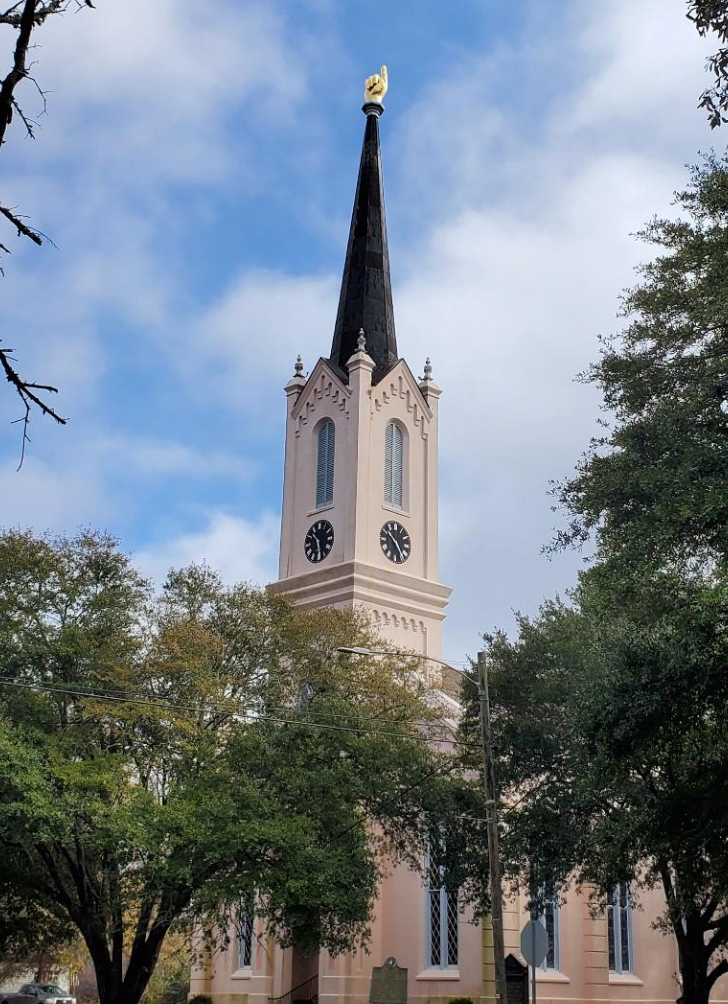
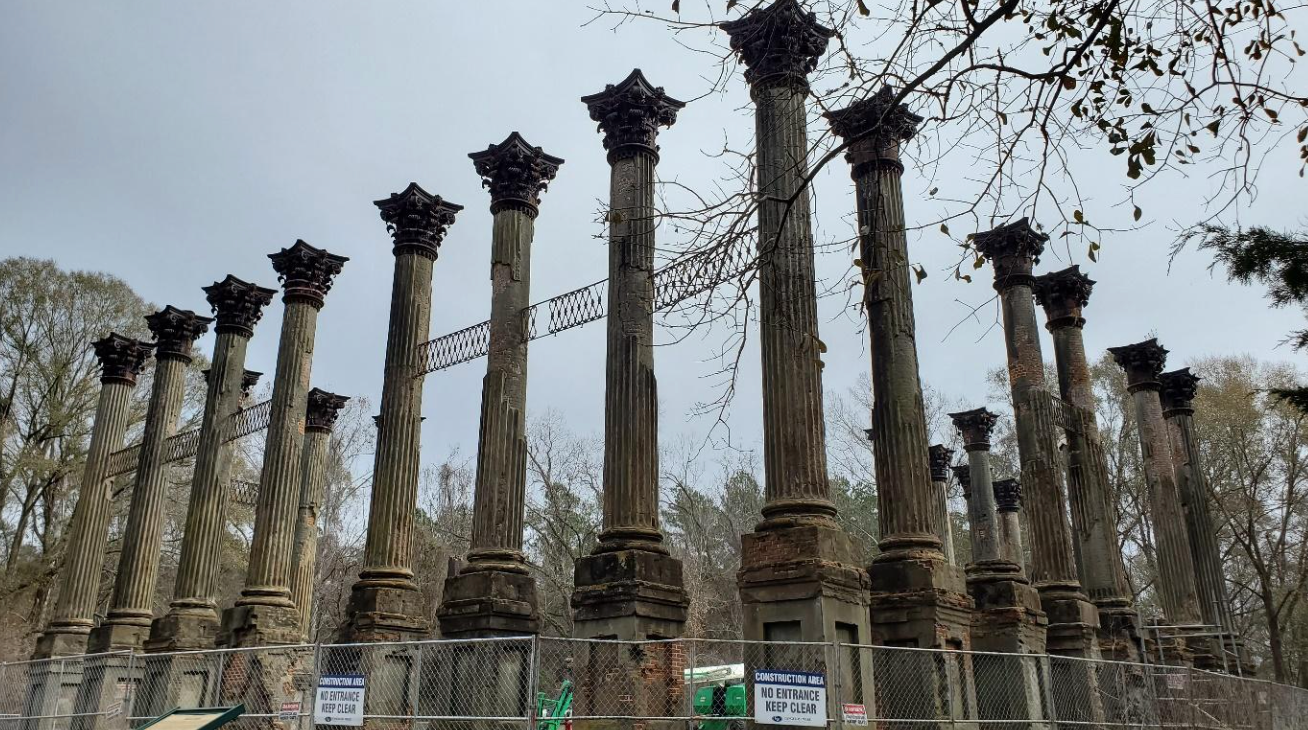
Driving south along the river, I first stopped in Port Gibson to photograph the First Presbyterian Church’s famous golden “Hand Pointing to Heaven.” Nearby, the Windsor Ruins—23 surviving columns of a once-grand Greek Revival mansion destroyed by fire—stood hauntingly among the trees. Standing beneath them, I felt the deep sense of history’s passage.
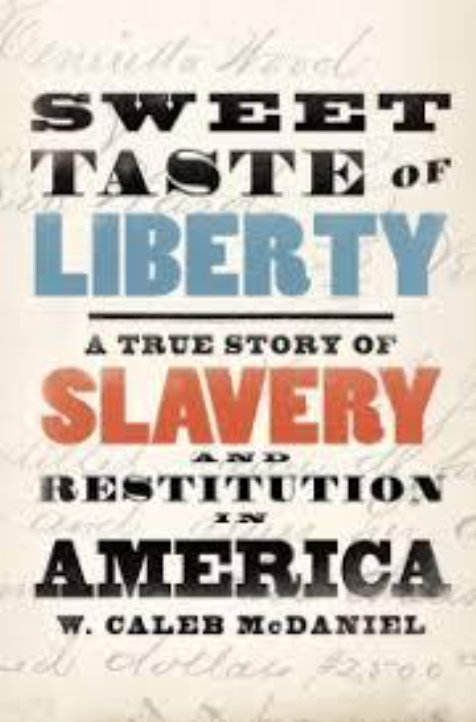
In Natchez, once the second-largest slave-trading city in the United States (after New Orleans), I explored the riverfront and reflected on its complex past. For those interested in learning more, I highly recommend Rice history professor W. Caleb McDaniel’s Pulitzer Prize-winning book, Sweet Taste of Liberty: A True Story of Slavery and Restitution in America, which includes a fascinating chapter on Natchez.
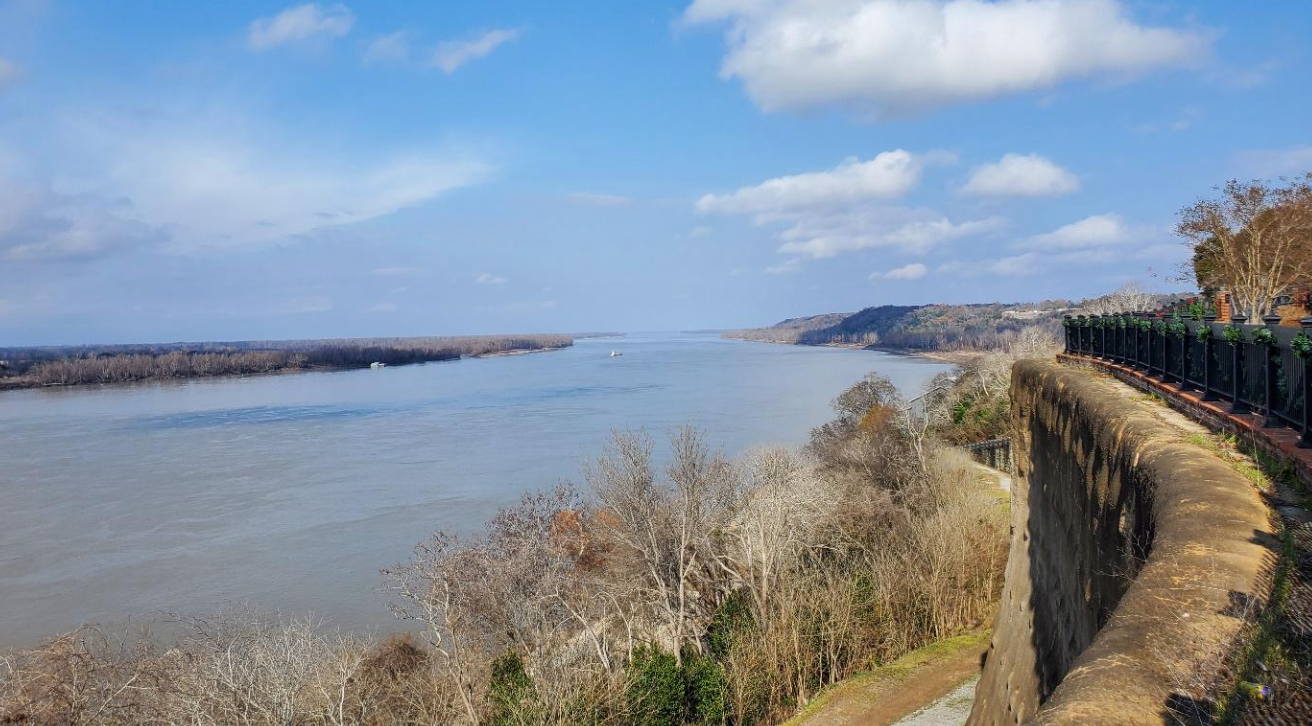
Taking one last look at the Mississippi River from Natchez’s bluff, I began the long drive back to Houston, ending my unforgettable six-day journey.
Conclusion
This trip offered me a deeper appreciation of the Deep South’s rich history, culture, and contradictions. If you’re planning your next road trip, don’t just stop in New Orleans—cross the Mississippi River and discover the Magnolia State’s hidden stories for yourself!
About the Author:
Bohan Zhang is a Ph.D. Candidate in History. He earned his bachelor’s degree from Tsinghua University and holds two master’s degrees from Oxford and UChicago, respectively.
Further Reading:
A traveler’s guide to your great American road trip
Day Trip from Rice: Immerse Yourself in Texas HistoryDay Trip from Rice